About All ToursSafari ToursConservation Area ToursLuxury Safari ToursCrater & Serengeti ToursPrivate Tours Directions Hours & Fees Guides
Find Tours 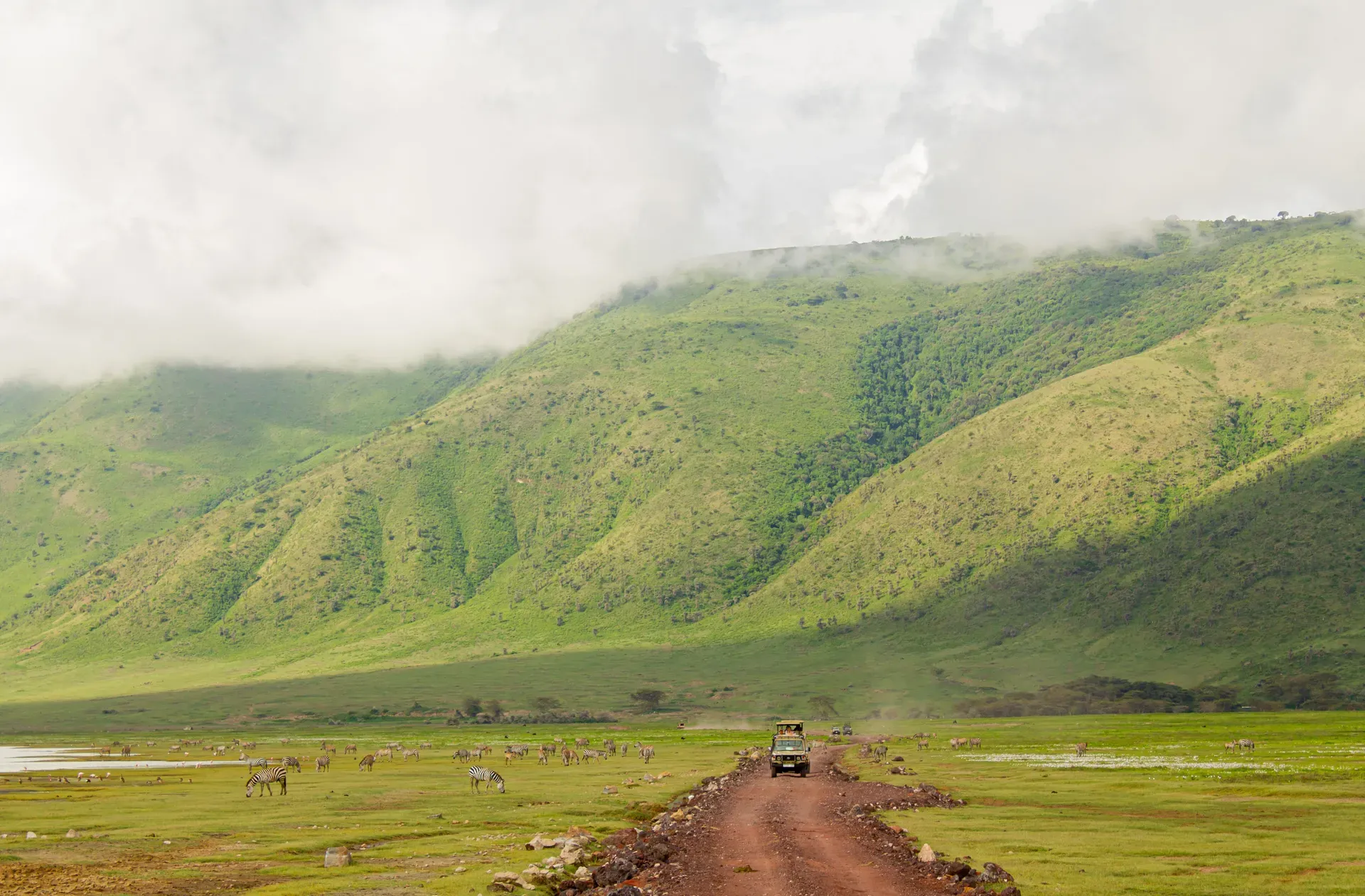
These multi-day safaris pair the wildlife-rich floor of Ngorongoro Crater with the vast plains of the Serengeti, with most itineraries also adding Tarangire National Park. Camping and lodge options run from Arusha with guides, meals, and park fees typically included.
 Free Cancellation
5-day camping safari: one day in Tarangire, two in the Serengeti, and a full day in the Ngorongoro Crater, plus a Maasai visit.
 Free Cancellation
Four-day shared safari: full day each in Tarangire, Serengeti (plus evening drive), and Ngorongoro Crater, Arusha start and finish.
 Free Cancellation
3-day camping safari covering Serengeti National Park and Ngorongoro Crater, with airport pickup in Arusha.
 Free Cancellation
Four-day safari from Arusha covering Tarangire, Serengeti, and Ngorongoro Crater, with all meals included.
 Free Cancellation
4-day budget camping safari from Arusha covering Tarangire, the Serengeti, and Ngorongoro Crater.
 Free Cancellation
3-day group camping safari from Arusha to Serengeti and Ngorongoro Crater, max 6 people per jeep.
 Free Cancellation
6-day northern Tanzania trip: Kilimanjaro day hike, Tarangire, Serengeti and Ngorongoro crater safari.
 Free Cancellation
3-day camping safari from Arusha covering Serengeti, a hippo pool stop, and Ngorongoro Crater, ending back in Arusha.
 Free Cancellation
4-day group safari from Arusha covering Tarangire, Serengeti and Ngorongoro Crater in a pop-top 4x4 jeep.
 Free Cancellation
6-day camping and lodge safari covering Tarangire, Manyara, Serengeti and Ngorongoro Crater, with hotel pickup.
Read what travelers share about their experience visiting Ngorongoro Crater — from practical tips to personal highlights.
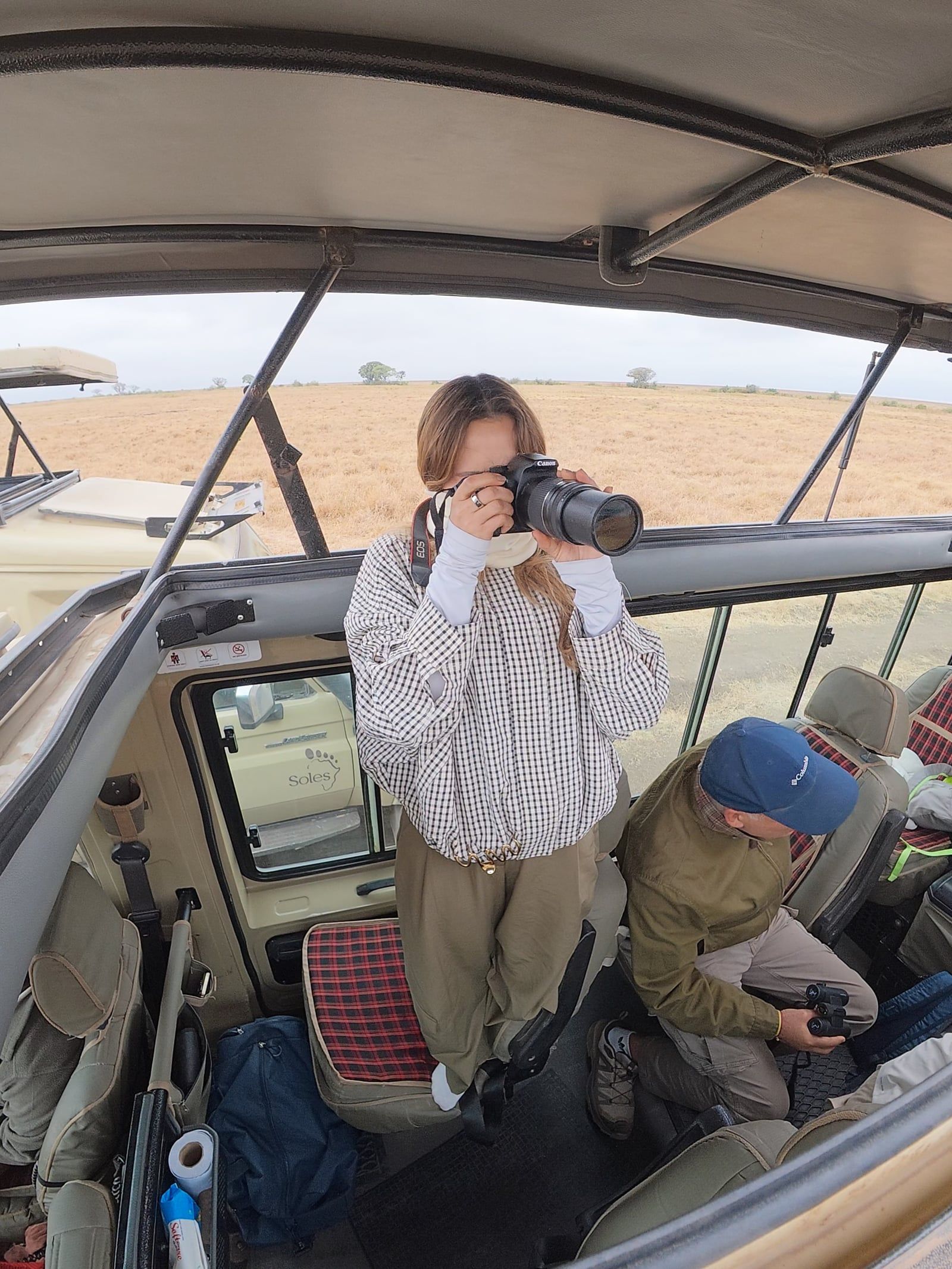
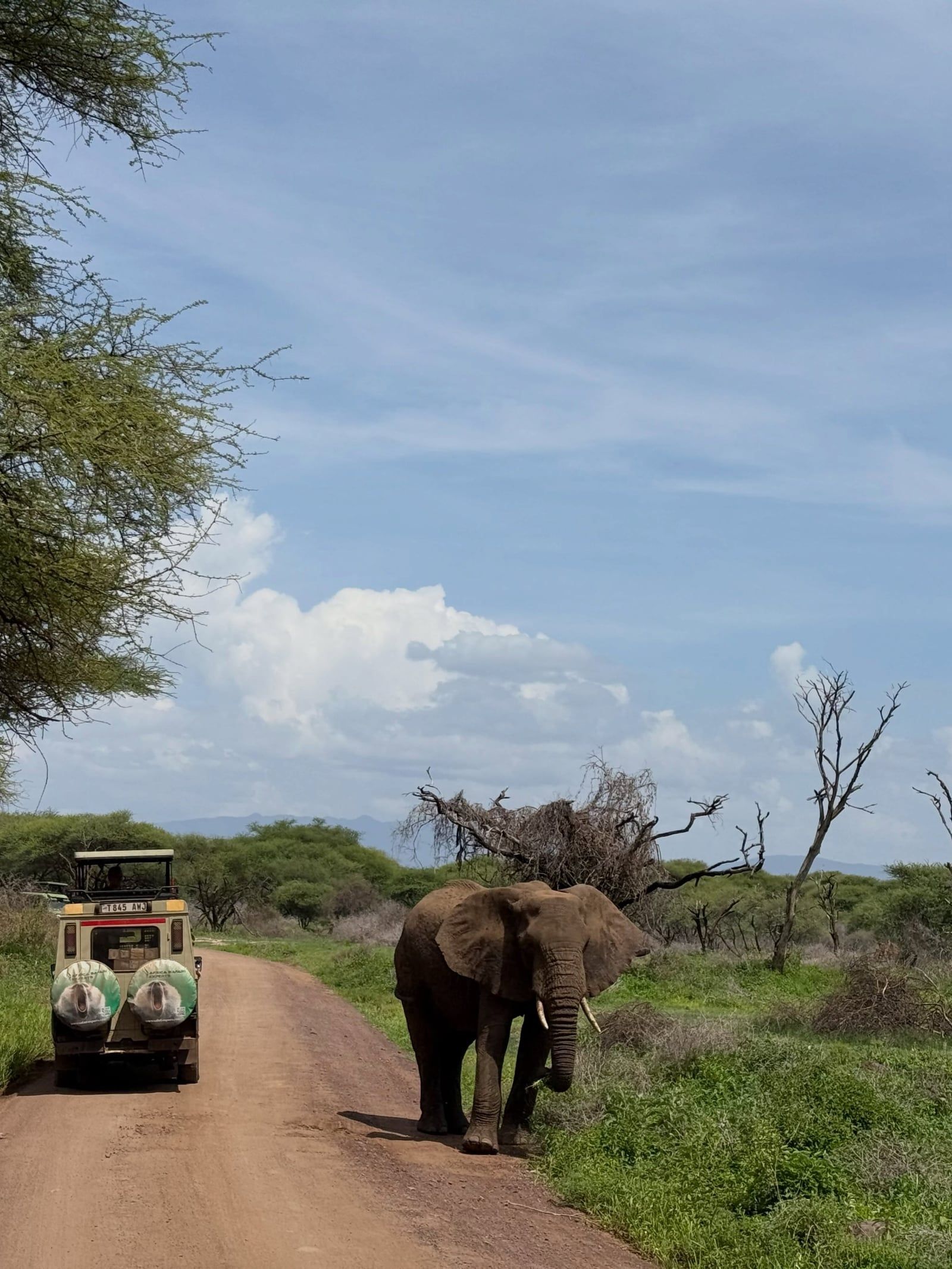
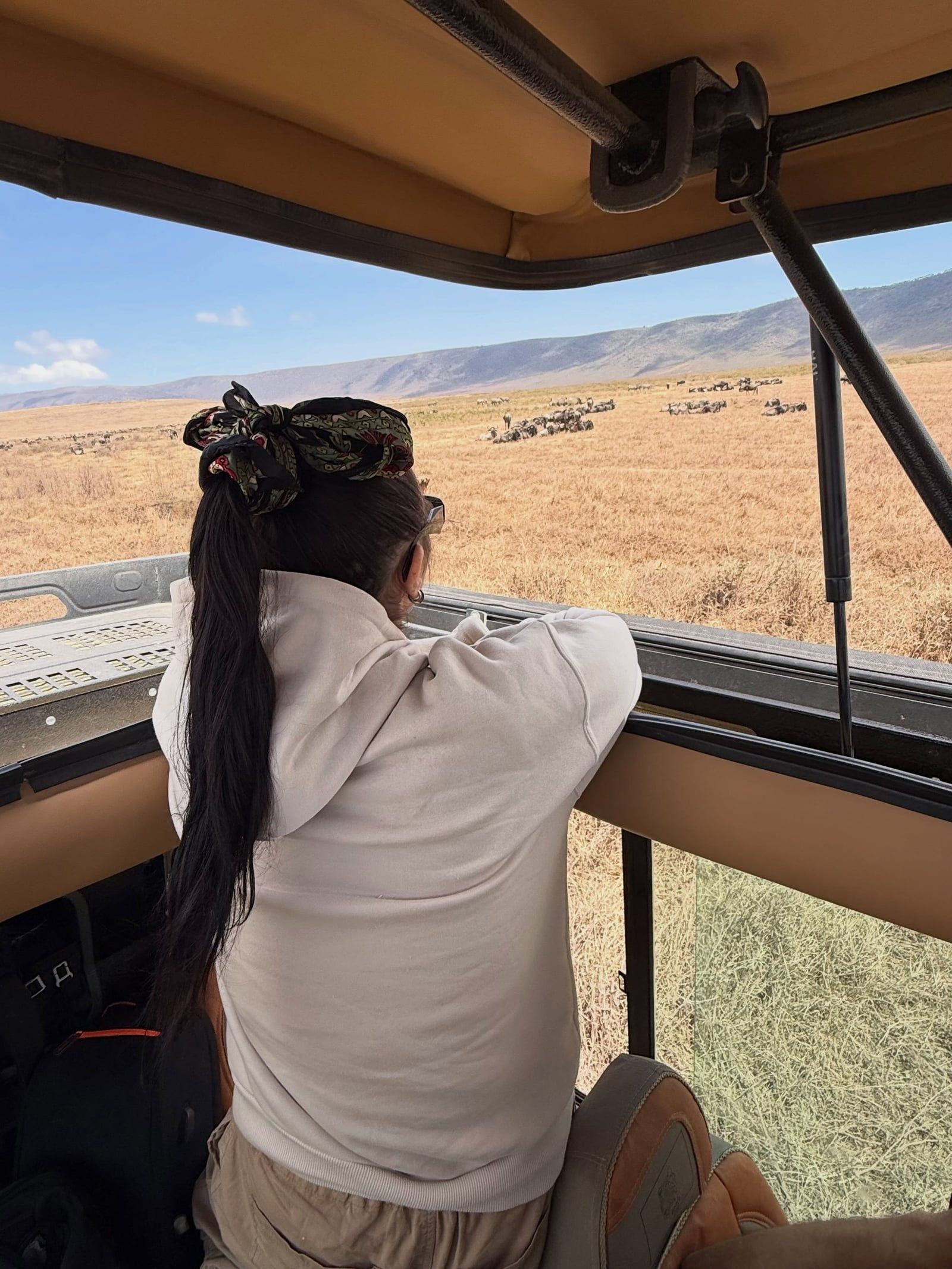
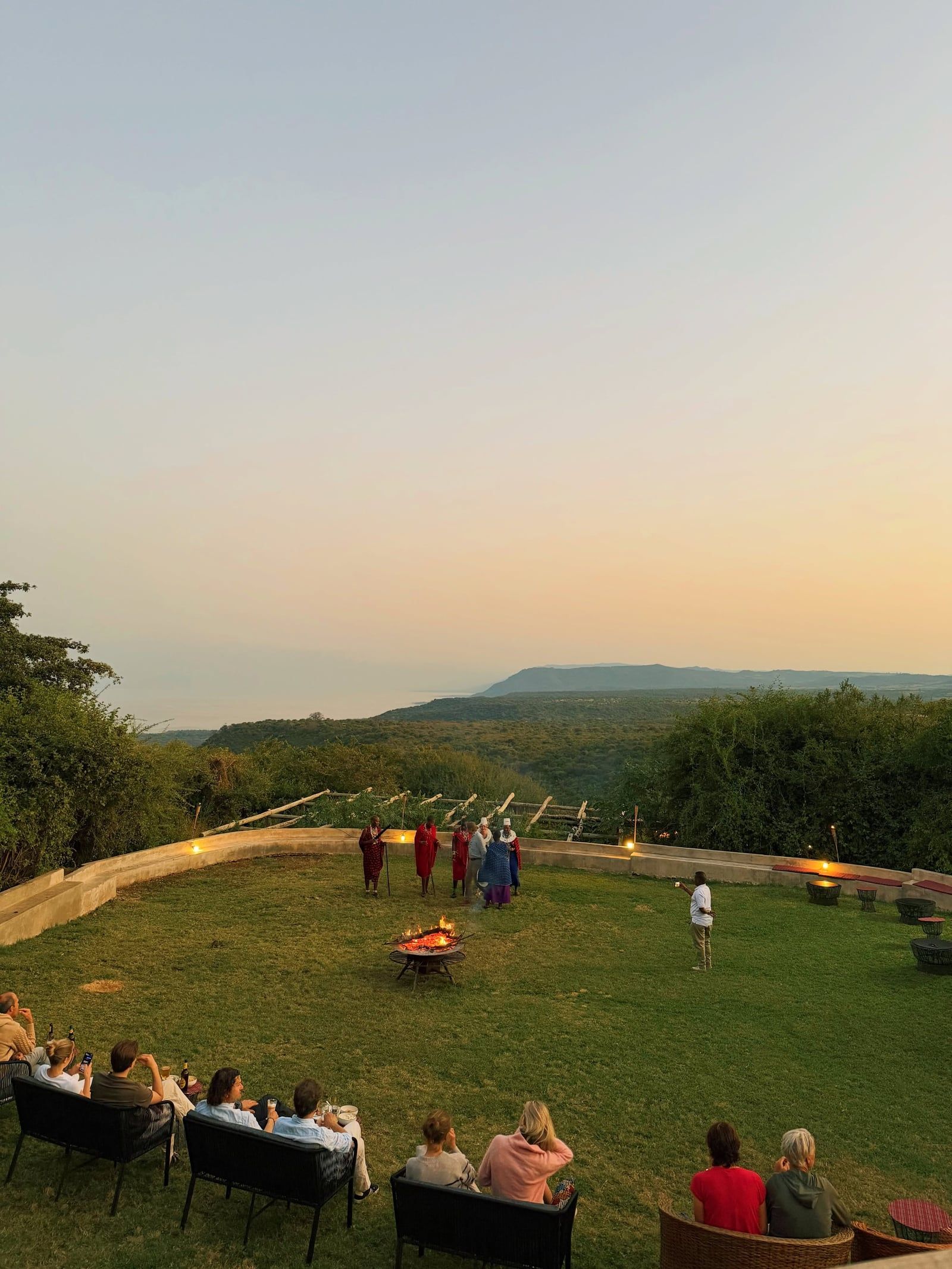
Most tours here run three to six days and string the crater together with the Serengeti, usually with Tarangire as a bonus, in a pop-up-roof 4x4 with a driver-guide. You'll pay roughly US$780-1,600 depending on length and whether you sleep in tents or lodges. The crater itself is a half-day game drive; the Serengeti gets the rest.
The Seneto road drops from the 2,300 m rim to the crater floor in about 30 minutes, switching back through montane forest where buffalo and baboons work the lower bends. Then the trees stop and a 260 km² bowl of grassland opens up in one sweep. Get to the gate for 06:00 and you'll be first down.
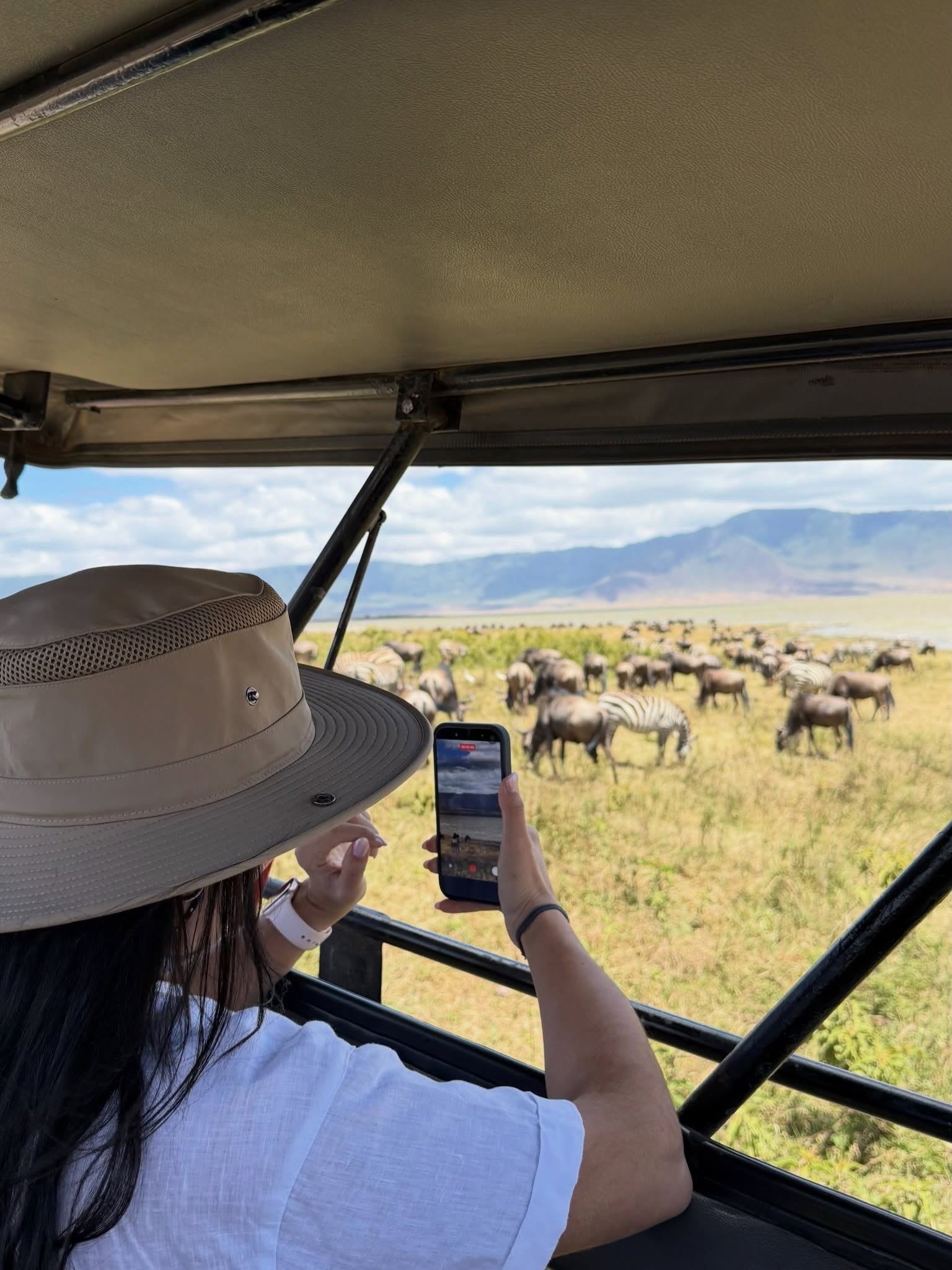
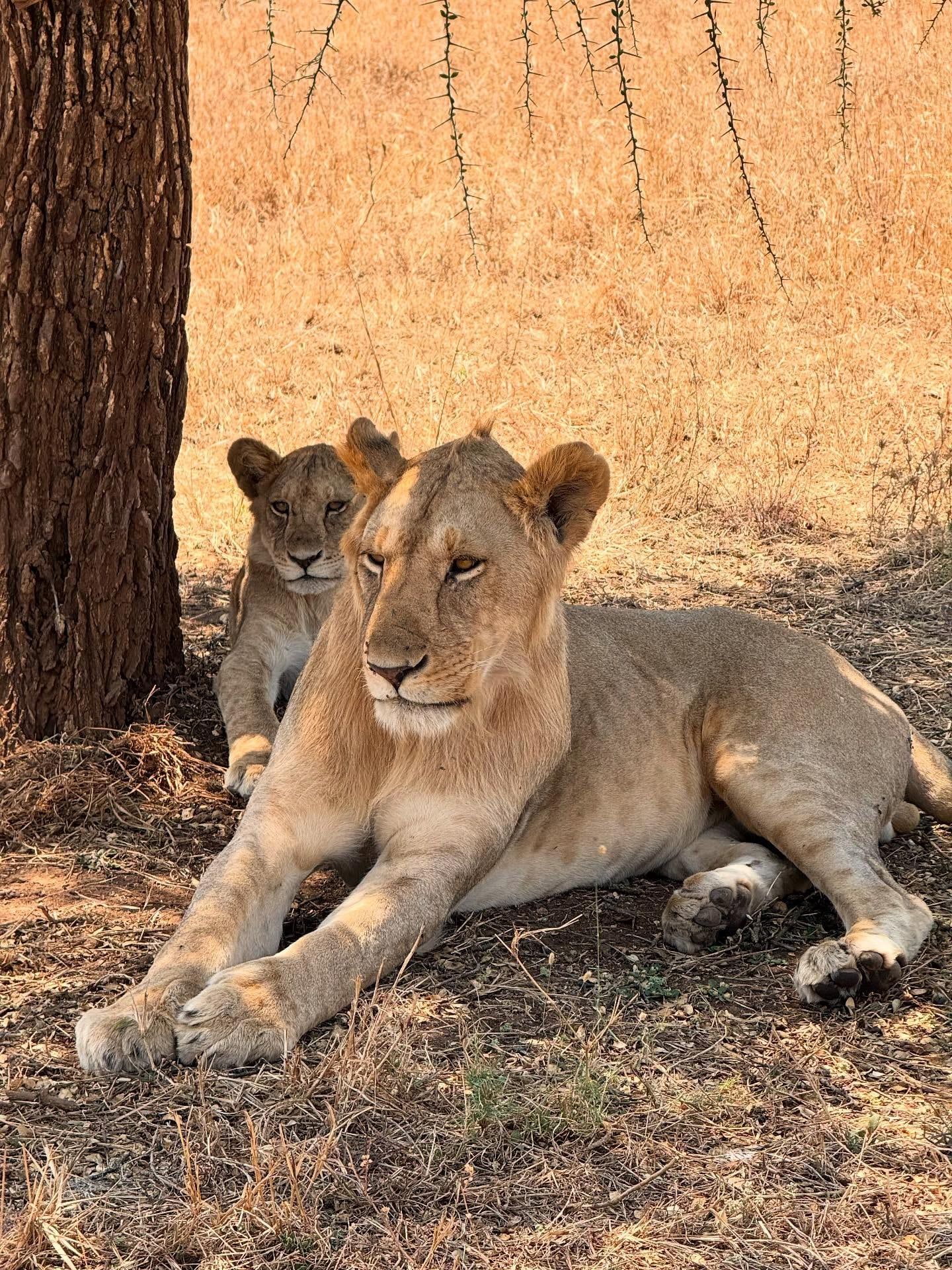
About 25,000 large animals live on the floor year-round, including Africa's densest known lion population and one of Tanzania's few viable black-rhino groups. Leopards haunt the Lerai Forest. In dry-season short grass, guides routinely find rhino, lion and cheetah within a few hundred metres of each other.
Cross into the Serengeti via Naabi Hill Gate, where over a million wildebeest and 72,000 zebras graze the short-grass plains. Come in late January or February and you'll hit the calving, when thousands of foals drop within weeks of each other. Expect big-cat action close behind.
Most Serengeti-bound tours pause at the ravine where Mary Leakey found the 1.75-million-year-old Zinjanthropus skull in 1959. A guided walk plus the museum takes about 90 minutes, with casts of the 3.6-million-year-old Laetoli footprints on display. A licensed guide is mandatory here.
Several tours include a boma stop near the rim road: traditional dances, a homestead walk, craft markets. Maasai herders still live and graze cattle throughout the conservation area, one of the few protected places in Africa where that arrangement exists. Ask before taking anyone's photo.
Camping tours pitch tents at campsites inside the Serengeti and near the crater, so you catch sunrise from your tent flap before the drive starts. The budget trips run canvas tents on 3-inch mattresses with a chef cooking breakfast and dinner on the fire. Pack a fleece — rim nights drop to 0-5°C.
Tours here are almost all multi-day road safaris out of Arusha, run in 4x4s with a driver-guide and usually capped at six travelers. A few details decide whether you're comfortable or cold, rushed or relaxed.
The market splits into joined-group camping safaris (max 6 per jeep, tents and a cook), private charters, and mixed lodge-and-camp trips. The 4-day and 5-day group tours run about US$1,050-1,320; a bare 3-day camping version starts near US$780. All include a pop-up roof for game viewing; some throw in Wi-Fi in the jeep, binoculars, even beer and wine.
Group tours cap at 6 travelers and the special campsites inside the parks book out months ahead for July-September, so book the peak season early. January-February calving season fills up too. Traveling mid-March to mid-May, you can book much closer in — but rains can turn tracks to mud.
Nearly all listed tours include park fees and taxes in the headline price — check the inclusions before you assume. If your tour doesn't cover them, budget US$70.80 per adult per 24 hours for NCA entry plus US$295 per vehicle for the crater descent, split among whoever shares the jeep.
NCAA permits are valid for one entry and the official schedule states the crater tour is a half day. So expect one descent, roughly 06:00 to early afternoon, then out. Two crater days mean paying the vehicle fee twice — most travelers spend the extra time in the Serengeti instead.
Oldupai Gorge sits on the route to the Serengeti and takes about 90 minutes (museum entry for non-residents is around US$35 in 2026). Lake Eyasi, about 2 hours on sandy roads, hosts the Hadzabe hunter-gatherers with dawn-hunt visits. Empakaai Crater and Ol Doinyo Lengai fill a day if you want Highlands hiking away from crowds.
The experience is vehicle-based, so it works for wheelchair users and older travelers — one 4-day tour lists full wheelchair accessibility, and several offer infant seats or lap-seated infants. Nobody walks on the crater floor except at designated picnic sites, so fitness rarely matters. The one caution: stepping up into a raised 4x4 and cold 2,300 m mornings.
Every listed tour gives a full refund if you cancel at least 24 hours before departure. That's generous for Tanzania, where campsites and operator commitments usually bite harder — but book flights and the tour together so a delayed arrival doesn't cost you a day.
Swipe to see more
| 3-Day Camping Safari (Serengeti + Ngorongoro) | 4-Day Group Northern Circuit (Tarangire + Serengeti + Ngorongoro) | 5-Day Camping Safari with Maasai Visit | 6-Day Lodge & Camping Combo | 6-Day Kilimanjaro Hike + Safari | |
|---|---|---|---|---|---|
| Duration | 72 hours | 96 hours | 120 hours | 144 hours | 144 hours |
| Best for | Short trips and tight budgets; first safari | Travelers who want all three northern parks in one loop | Slow travelers who want two full Serengeti days plus a village visit | Comfort seekers covering four parks including Lake Manyara | Active travelers pairing a mountain day with game drives |
| Includes | Tents, sleeping bags, all park fees, meals, airport transfer from JRO; guides in English, French, Spanish, Italian or Swedish | Guide, jeep Wi-Fi, taxes and fees, 4 nights accommodation; vegetarian meals on request; infant seats available | All fees, meals, unlimited drinking water, free lodge nights before and after, Maasai village stop | Campsite nights plus two lodge nights, all meals, binoculars, wine or beer; guides in German, Italian or French | Kilimanjaro day hike, coffee tour, Chemka hot springs, safari jeep, airport transfers, drinking water and beers |
| Price from | US$780 | US$890 | US$1,320 | US$1,325 | US$1,325 |
Swipe to see more
Gates and barriers open at 06:00 and close at 18:00, daily and year-round. Game drives inside the crater are only permitted between 06:00 and 18:00 — no vehicles on the floor outside those hours.
The descent gates run a one-way system. Seneto is descent-only and closes at 16:00, Lerai is ascent-only, and Lemala (Sopa) handles both directions. Plan your exit route accordingly, because ascending late through the wrong gate isn't an option.
Officially the crater tour is a half day: permits are valid for one entry only, so a typical descent runs 06:00 to early afternoon with a picnic stop. Day-trippers from Arusha leave around 05:00-06:00 to be down by 08:00.
Arrive at opening. Predators are most active and the light is best in the first three hours, and by mid-morning the tour buses queue at the descent gate.
From Arusha it's 180 km (112 mi), 3.5-4.5 hours on a paved road through Mto wa Mbu — the last reliable fuel stop — and up the Rift Valley wall to Loduare Gate. Nearly all tours include this drive in the itinerary.
International arrivals usually land at Kilimanjaro International (JRO), about 250 km and 4-5 hours away with an Arusha stop; most tours build in an Arusha hotel night first. Flying in is an option too: daily Cessna Caravan flights (US$150-250 one-way) reach Lake Manyara Airstrip, then it's 1-1.5 hours by road to the rim.
Coming from the Serengeti, exit at Naabi Hill Gate and cross the short-grass plains — about 140 km and 3 hours to Seronera, longer with wildlife stops. Budget travelers can take a daladala bus from Arusha to Karatu for about US$5, then hire a 4x4 and guide for the last stretch; public transport never enters the conservation area.
Two-wheel-drive vehicles can't manage the descent roads. Don't try.
June to October is the prime window: short grass, animals clustered around permanent water, minimal rain, and the easiest rhino and big-cat spotting on the crater floor.
January-February is the best alternative. The nearby plains host the wildebeest calving, migratory birds pass through, and vehicle numbers sit below the July-September peak. Lush scenery, newborn everything.
Avoid mid-March to mid-May if you can. The long rains leave crater and highland tracks muddy and occasionally impassable, and mist can swallow the rim. The upside: green-season rates run 30-50% below peak and you'll share sightings with a fraction of the vehicles.
The crater floor holds permanent water, so viewing stays decent whenever you come — it's the roads and the light that swing with the seasons.
The safari is entirely vehicle-based, which makes this one of Tanzania's more workable destinations for wheelchair users. One 4-day tour on this page lists full wheelchair accessibility, and several operators elsewhere run adapted 4x4s with ramps and locking systems. Confirm step-free lodge rooms in advance.
Older travelers manage easily: game drives need almost no walking, and lodge-to-vehicle transfers typically run 10-30 m. The considerations are stepping up into a raised 4x4, the rim's 2,200-2,300 m altitude, and cold damp mornings. A rim lodge beats a pre-dawn drive from Karatu.
Children are welcome — under-5s enter free and ages 5-15 pay US$23.60. The animal density means sightings come fast and close, which suits short attention spans. Bring warm layers, and talk to a pediatrician about malaria prophylaxis before you go.
You can only leave the vehicle at designated picnic sites. Ngoitokitok Spring is the classic stop — a hippo pool where the animals grunt metres away and elephants come down to drink. A hot bush lunch needs a US$10-per-person permit, issued first come, first served, and your lodge must pre-cook it.
Sleeping options split between public campsites (US$35.40 per adult per night) and special campsites (US$70.80) — the special ones book out months ahead. Rim lodges sit minutes from the descent gates; Karatu, an hour outside, is cheaper with a wider range. Many travelers mix one rim night with Karatu nights.
ATMs are scarce inside the NCA, so carry small US dollar bills for tips, village visits and purchases — top up in Arusha or Karatu. There's no fuel past Mto wa Mbu, so tour vehicles fill up there. Lodges on the rim often have no heating beyond a fireplace; pack for 0-5°C nights.
Stay in the vehicle on the crater floor except at designated picnic sites — and never exit within 200 m of wildlife. Stay within 25 m of your car otherwise. A licensed guide is mandatory for the crater and Oldupai Gorge.
Driving rules are enforced with fines: the limit is 25 km/h in the conservation area, off-road driving is banned, no more than five vehicles may gather around one animal or kill, and driving is only allowed 06:00-18:00.
Leave the wrong things at home. Plastic carrier bags are banned nationwide (airports inspect luggage — the resealable 100 ml liquids bag is the tolerated exception), drones need special permits almost nobody gets, camouflage clothing is illegal for civilians, and dogs aren't allowed in the crater. Removing rocks, plants or any animal product also draws penalties.
Ask before photographing Maasai people — it's both courtesy and expected practice. And note that NCAA tariffs change without notice, usually each 1 July, so verify current fees with your operator shortly before travel.
Most listed tours include all park fees, taxes and camping charges in the price — the 3-day and 5-day camping safaris both list them explicitly. If you book one that doesn't, budget US$70.80 per adult per 24 hours for NCA entry plus US$295 per vehicle for the crater descent. The vehicle fee splits among everyone in the jeep, so six travelers pay about US$49 each.
Three days is the minimum that works — one day driving to the Serengeti with game viewing, one day for the crater, one day back. Four or five days let you add Tarangire and a second full Serengeti day, which is what most of the higher-rated tours on this page do. The crater itself is a half-day drive by rule; permits allow one entry only.
Yes, but it's a long day: 180 km and 3.5-4.5 hours each way, with departures around 05:00-06:00. You'd descend by 08:00 and exit by early afternoon. The multi-day tours avoid this by overnighting in Karatu, on the rim, or inside the parks, which also puts you at the gate for the 06:00 opening when predators are most active.
June to October for dry-season game viewing — short grass, animals concentrated near water, and the best rhino and big-cat odds. January-February brings the wildebeest calving on the plains near Naabi Hill plus migratory birds and fewer vehicles. Avoid mid-March to mid-May unless you want cheap green-season rates and don't mind mud.
Your odds are about as good as they get anywhere. The crater floor holds roughly 25,000 large animals in 260 km², including Africa's densest known lion population, leopard in the Lerai Forest, and a resident black-rhino population that guides track in the short grass. Elephant and buffalo are common. Nothing is guaranteed, but the Serengeti days improve the odds further.
Campsites sit inside or beside the parks, sometimes with animals passing at night — guides and cooks stay on site, and that's a normal part of the experience. Tents come with mattresses and sleeping bags on the budget trips (3-inch mattresses on one tour). Nights on the crater rim drop to 0-5°C, so bring a fleece and warm socks; several travelers report the cold as the surprise of the trip.
Yes. Under-5s enter the parks free, ages 5-15 pay the child rate, and several tours offer infant seats or lap-seated infants. Game drives involve almost no walking — you stay in the vehicle except at picnic sites — which suits grandparents too. Main cautions: stepping up into a raised 4x4, cold rim mornings, and arranging malaria prophylaxis for kids with a doctor.
Every tour listed here offers a full refund if you cancel at least 24 hours before departure. That said, if you're booking a July-September departure, group slots (max 6 travelers) and special campsites can be gone months ahead, so rebooking your preferred dates may not be simple. Cancel and rebook early rather than the day before.
Yes — malaria is present in the area even at altitude, so take prophylaxis and use 20-35% DEET repellent plus long sleeves at dusk. Tsetse flies also bite in the woodlands, and they're drawn to dark blue and black clothing, so pack lighter colors for game drives.
On the crater floor, only at designated picnic sites such as Ngoitokitok Spring, where hippos wallow metres away. Real walking needs a licensed walking safari outside the crater, on the rim or in the Highlands — US$23.60 per adult with a maximum of 8 walkers per guide. Some longer itineraries can add this; ask your operator before booking.
Browse verified tours with free cancellation and instant confirmation.
Find Tours


This is a 5-day camping safari split into three parks: a full day in Tarangire, two full days in the Serengeti, and a full-day crater tour in Ngorongoro, with a Maasai village visit along the way. You'll sleep inside the parks, so sunrise and sunset in the Serengeti and at the crater rim are part of the deal rather than a bonus. Timing matters for one thing in particular — the wildebeest migration moves in a fairly predictable annual loop through the Serengeti ecosystem, so where you'll catch it depends on your travel month. Meals are covered for the whole trip (breakfast, lunch, dinner), plus unlimited drinking water in the jeep. All park fees and taxes are included, and so are two nights of accommodation — the night before and the night after the safari. There's free Wi-Fi in the jeep, though coverage inside the parks is patchy at best. Anything beyond that isn't included; the operator's list of exclusions just says "other." Pickup staff wear a Meru Slope shirt with a chest logo and carry a sign with your name on it. Guiding is in English. Cancel at least 24 hours before departure for a full refund.
For a full refund, cancel at least 24 hours before the scheduled departure time.
English


A four-day joined-group safari that spreads the parks across the full 96 hours: day one is a full-day game drive in Tarangire, days two and three cover the Serengeti (including an evening drive in central Serengeti at Seronera, where you overnight at a campsite inside the park), and day four is a full-day Ngorongoro Crater tour before the drive back to Arusha. The route from Tarangire to the Serengeti passes through the Iraqw highlands, where wheat, coffee and corn are grown, and through the Ngorongoro Conservation Area. Each day runs on early starts. Day three begins with an early coffee and a morning game drive before heading toward Ngorongoro, with chances at lion, elephant, buffalo, rhino and leopard; day four starts at the crater's edge for sunrise before descending to the crater floor. Included are a professional English-speaking guide, all taxes and fees, airport and departure taxes, 4 nights' accommodation (campsites), and free Wi-Fi inside the safari jeep for the entire trip. Gratuities are not. Pickup staff wear a Meru Slopes shirt with a logo, holding a sign with your name on it. Cancel at least 24 hours before departure for a full refund.
For a full refund, cancel at least 24 hours before the scheduled departure time.
English


Three days of camping across two parks: Serengeti National Park, then Ngorongoro Crater, home to black rhino and other members of the Big 5. You sleep in tents, not lodges, and all park and camping fees are covered in the price. You're met at Kilimanjaro International Airport and transferred to a hotel in Arusha for a pre-safari briefing and an overnight stay before the safari starts. Guides run the trip in English, French, Spanish, Italian, or Swedish. Every meal is included — breakfast, lunch, and dinner — plus mineral water and daily coffee and tea. A Maasai boma visit is part of the package. Cancel at least 24 hours before departure for a full refund.
For a full refund, cancel at least 24 hours before the scheduled departure time.
Swedish, English, Italian, French, Spanish


This four-day trip starts and ends in Arusha and covers the three big northern-circuit parks: Tarangire, the Serengeti, and Ngorongoro Crater. It's built for travelers on a short schedule — you get all three parks plus Big 5 game viewing in a single loop rather than picking one. Kilipath African Safaris runs the tour and positions it as its budget option for short safaris. All meals are provided — breakfast, lunch, and dinner — and all taxes are folded into the price. Anything beyond that isn't spelled out, so ask before booking about park entry fees, which on Tanzanian safaris can be a significant add-on. Cancellation is standard: a full refund if you cancel at least 24 hours before departure. Anything inside that window and you lose the payment, so lock your plans a day ahead.
For a full refund, cancel at least 24 hours before the scheduled departure time.


This 4-day trip starts and ends in Arusha and links the three parks of Tanzania's Northern Circuit by road: Tarangire National Park, the Serengeti, and Ngorongoro Crater. You travel with an English-speaking guide, and you sleep in canvas tents on 3-inch mattresses rather than lodges, which is what keeps the price low. Meals are full board for the whole safari — breakfast, lunch, and dinner — with mineral water and soft drinks included. Park parking fees are covered too. Anything outside that list you pay for yourself, so bring cash for extras. Cancel at least 24 hours before departure for a full refund.
For a full refund, cancel at least 24 hours before the scheduled departure time.
English


A 3-day, 6-person group safari run in a custom jeep with a pop-up roof, with a driver-guide and a chef along for the trip. You camp: tents, sleeping bags, and mattresses are all provided. All park entrance fees and taxes are covered, plus breakfast, lunch, and dinner each day. The guide speaks English. The route covers Serengeti National Park and Ngorongoro Crater, timed so you get game drives in both. If you travel during the migration season, you'll hit the wildebeest herds. This is a short, low-budget itinerary, so expect early starts and full days rather than leisurely ones. Pickup is from your hotel in Arusha or from the airport — contact the operator ahead of time to arrange it. Anything beyond the listed inclusions costs extra. Cancel at least 24 hours before departure for a full refund.
For a full refund, cancel at least 24 hours before the scheduled departure time.
English


Six days split between a Kilimanjaro day hike and a driving safari through Tarangire, the Serengeti and Ngorongoro Crater. The Kilimanjaro day pairs a hike with a coffee tour and a stop at the Chemka hot springs; the safari days follow in a jeep with a pop-up roof for game viewing. Accommodation mixes budget lodges with budget camping, and an English-speaking guide runs the whole trip. Meals are covered — breakfast, lunch and dinner — plus drinking water and beers. Camping equipment comes with the package, so you don't need to bring your own. Airport pickup and drop-off are both included. Cancel at least 24 hours before departure for a full refund. Some extras aren't covered; check with the operator before booking what counts as "other" on your trip.
For a full refund, cancel at least 24 hours before the scheduled departure time.
English


Three days, two parks, one loop from Arusha. Day one goes to Serengeti National Park for a game drive and a stop at a hippo habitat; you camp there overnight. Day two moves to the Ngorongoro Conservation Area for the crater, with the night spent inside the park. Day three is the drive back to Arusha. This is a camping expedition, so expect nights under canvas rather than lodges. All three main meals are covered — breakfast, lunch, and dinner — from pickup on day one through the return. Pickup is available anywhere in the Arusha region. Cancellation is standard: cancel at least 24 hours before departure for a full refund.
For a full refund, cancel at least 24 hours before the scheduled departure time.


Four days, three parks, starting and ending in Arusha. This group tour runs the northern circuit in order: Tarangire National Park, then Serengeti, then the Ngorongoro Crater floor, where black rhino sightings are the main draw. You travel in a safari jeep with a pop-up roof and a window seat for every passenger. The guide speaks English. Hotel pickup is included wherever you're staying in Arusha — the operator collects all travelers from their hotels before departure. Meals and drinks are covered on the road: breakfast, lunch and dinner each day, plus drinking water and a beer or wine. Binoculars are provided. Cancel at least 24 hours before departure for a full refund.
For a full refund, cancel at least 24 hours before the scheduled departure time.
English


Six days across northern Tanzania's four main parks — Tarangire, Lake Manyara, Serengeti and Ngorongoro Crater — with a mix of nights at campsites and two nights in a lodge. It's built around the chance of seeing all Big Five members. Meals are covered: breakfast, lunch and dinner each day, plus drinking water, a beer or wine, and a shared pair of binoculars. Pickup is from your hotel, whatever the town, and guiding is available in English, German, French or Italian. Cancel at least 24 hours before departure for a full refund.
For a full refund, cancel at least 24 hours before the scheduled departure time.
German, English, Italian, French