About All Tours Safari ToursConservation Area ToursLuxury Safari ToursCrater & Serengeti ToursPrivate Tours Directions Hours & Fees Guides
Find Tours 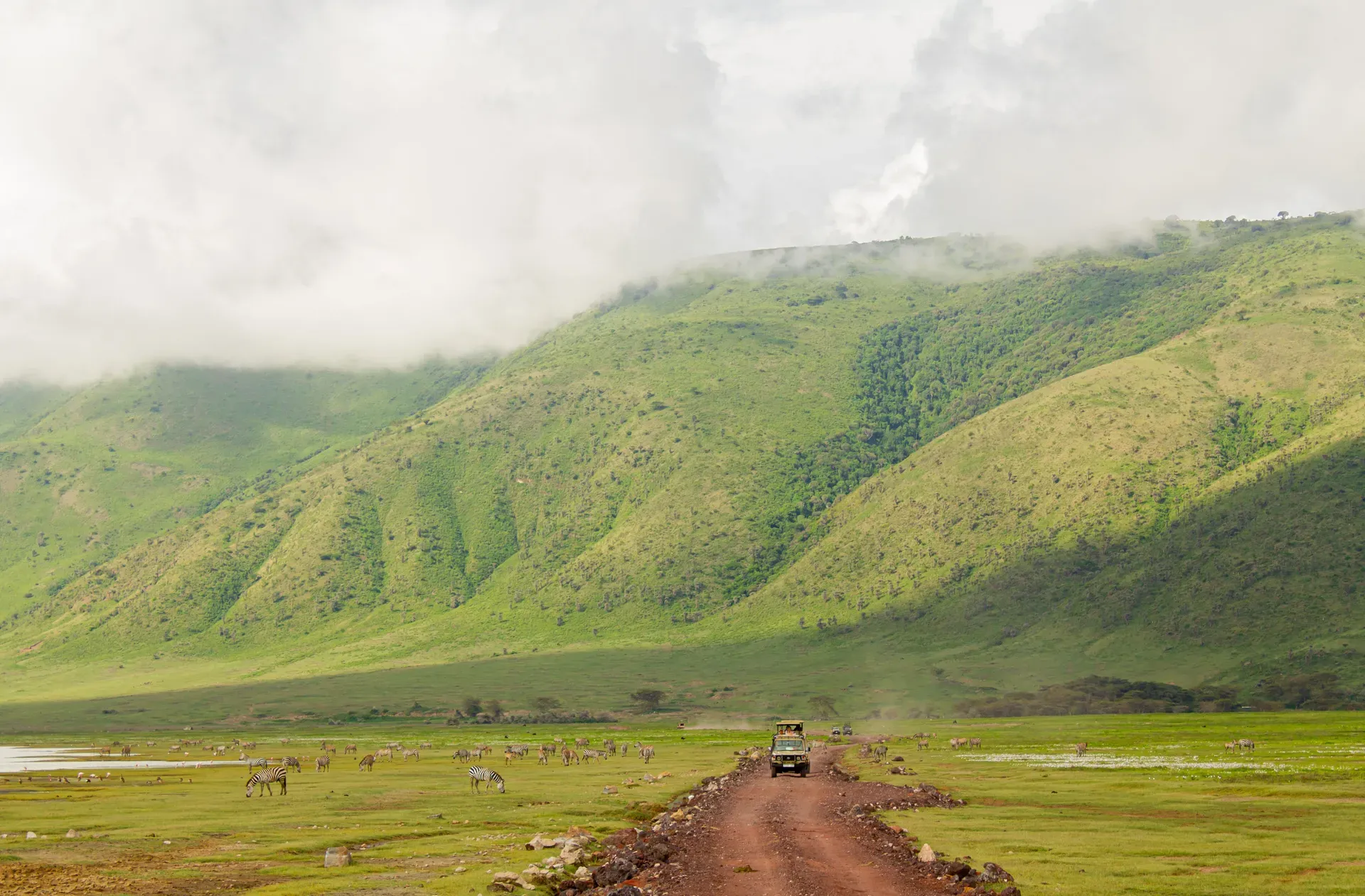
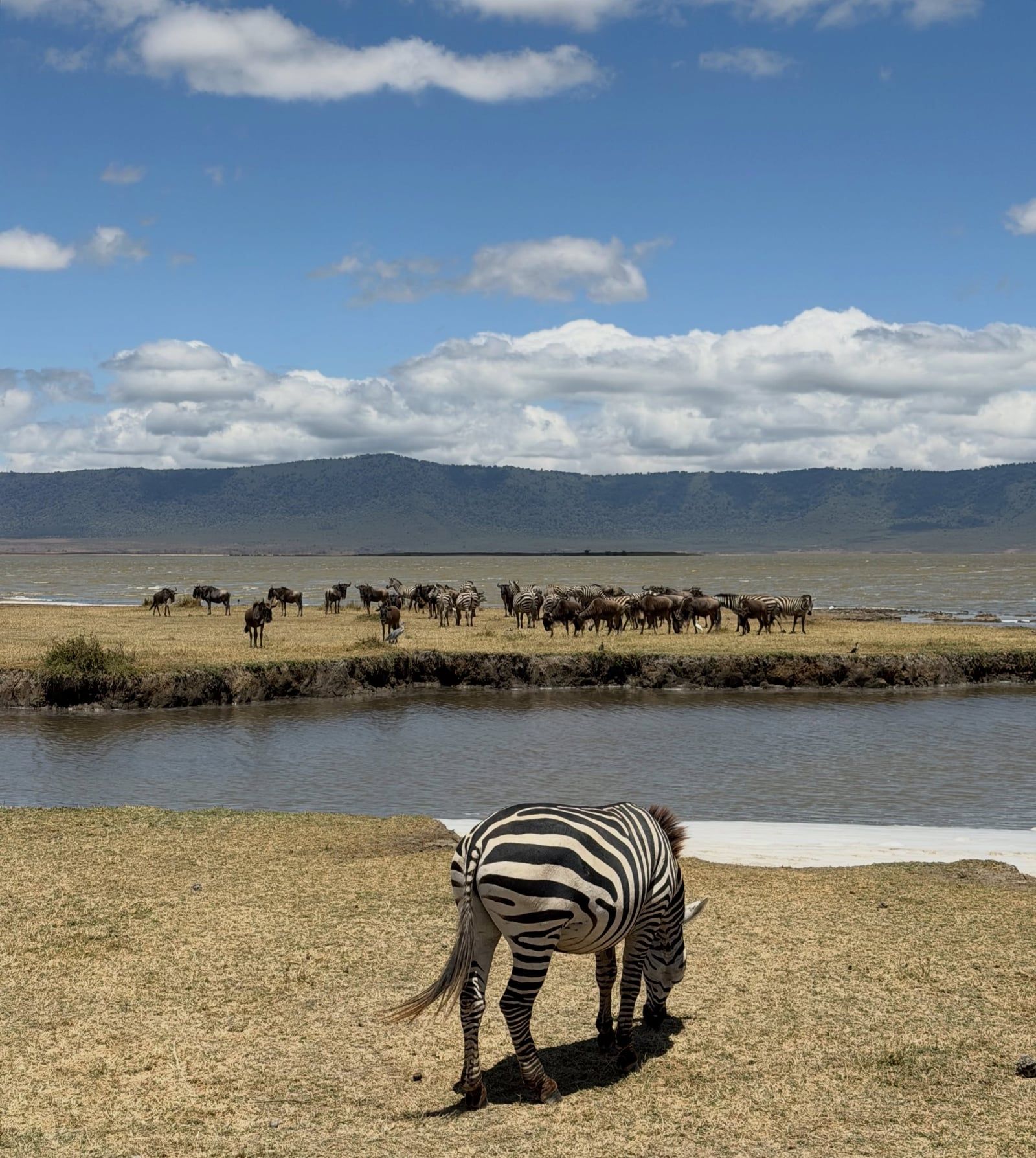
Ngorongoro Crater packs roughly 25,000 large animals — including Africa's densest known lion population and a black-rhino population you can realistically see — into a 260 km² volcanic bowl, 600 m below the rim where Maasai herders still graze cattle. On a morning game drive, guides routinely find lion, cheetah and rhino within a few hundred metres of each other, and you can stretch your legs at Ngoitokitok Spring while hippos grunt beside the picnic site.
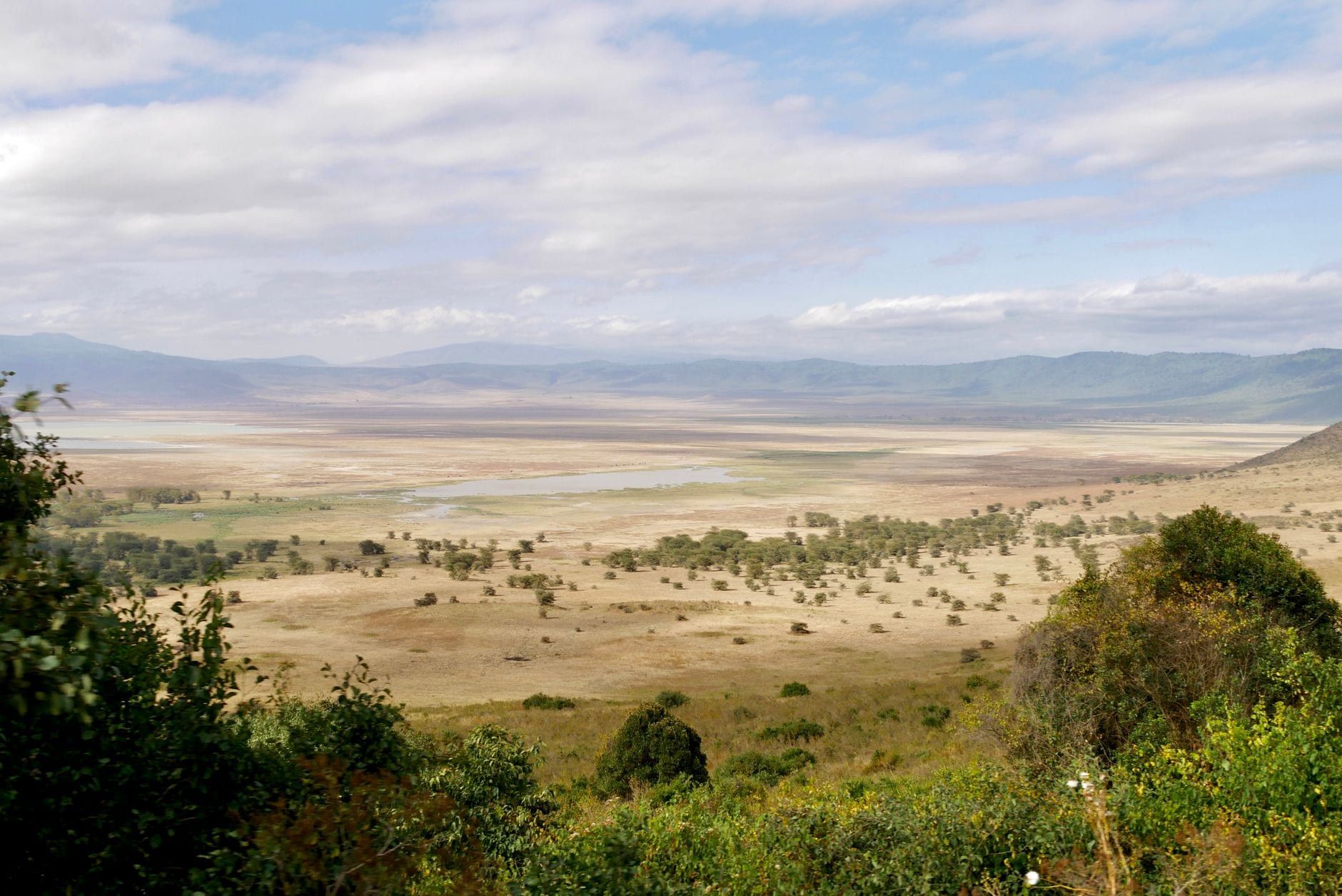
Find Guided ToursNgorongoro Crater is the world's largest intact, unbroken volcanic caldera, a 16-19 km bowl in northern Tanzania whose floor holds some 25,000 large wild animals year-round. It sits about 180 km west of Arusha, at the heart of the 809,440-hectare Ngorongoro Conservation Area, a UNESCO World Heritage Site since 1979. Look down from the rim — at roughly 2,300 m — and you can take in the entire 260 km² floor in a single sweep: grasslands, the Lerai Forest, the Gorigor Swamp and shallow soda Lake Makat.
Around 2.5 million years ago a giant volcano collapsed on itself, leaving walls 400-610 m high around a sunken floor that never filled with water. Instead it filled with life. The crater holds one of Africa's densest concentrations of large mammals — including the densest known lion population and a small black-rhino population — alongside roughly 500 bird species. Because the floor keeps permanent water, game viewing rewards visitors in every season.
The name comes from a Maasai onomatopoeia for the sound of a cowbell, and people have been part of this landscape for a very long time. Neighbouring Olduvai Gorge yielded the 1.75-million-year-old skull Mary Leakey unearthed in July 1959; the nearby Laetoli footprints, 3.6 million years old, are among the earliest evidence of upright walking. UNESCO added the area's cultural values to its inscription in 2010.
When the Ngorongoro Conservation Area was created in 1959, it was split from the newly gazetted Serengeti National Park so that Maasai herders displaced by the park could stay. Semi-nomadic Maasai pastoralists still live and graze livestock here today, alongside the wildlife, under a pioneering 'multiple land use' model you can see for yourself on a village visit near the rim road.
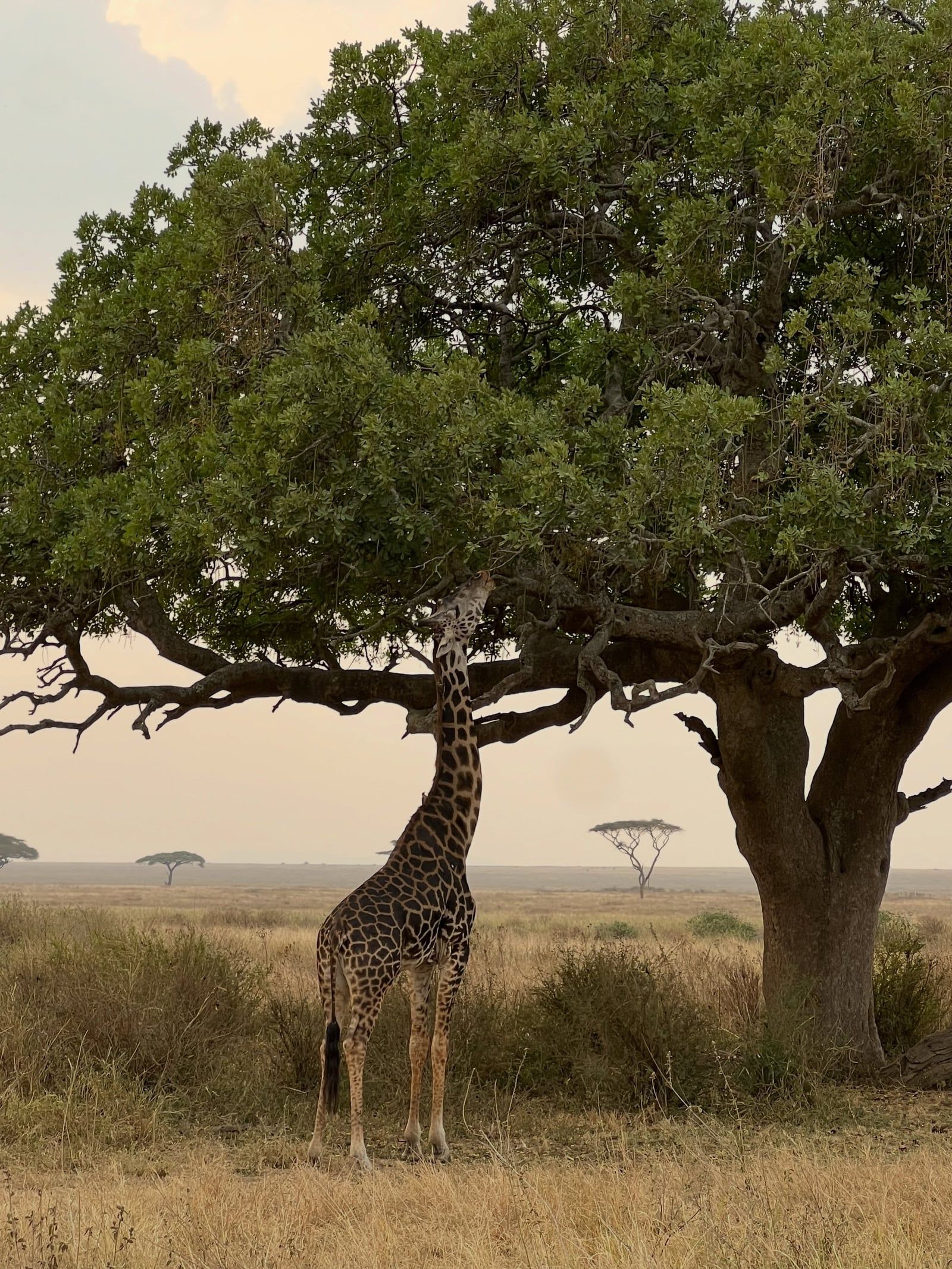
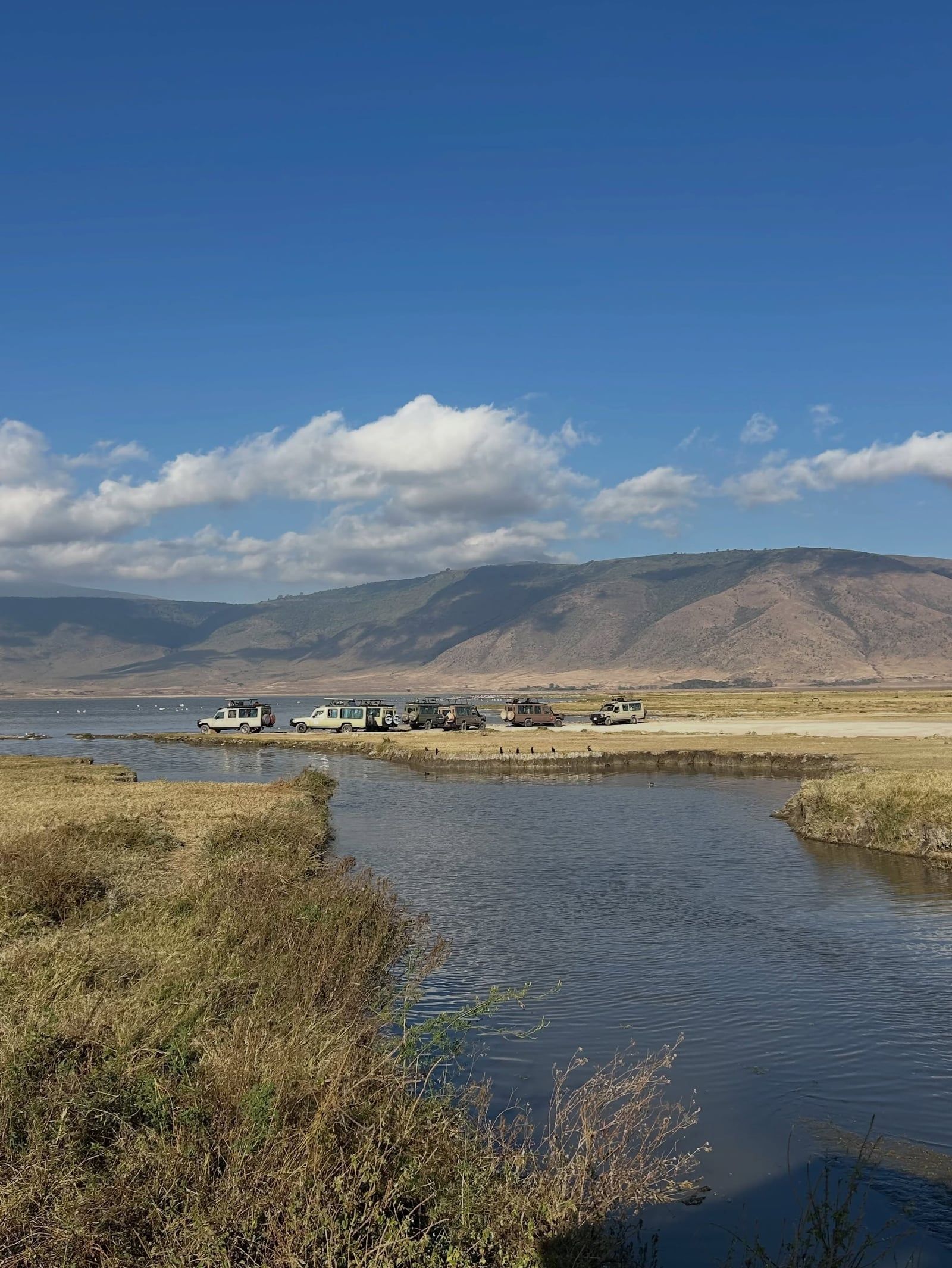
Discover the full history and cultural significance on our About page.
Roughly 25,000 large animals share a 260 km² caldera floor, including Africa's densest known lion population and one of Tanzania's few viable black-rhino groups. In dry-season short grass, guides routinely find rhino, lion and cheetah within a few hundred metres of each other. The official tour is a half day.
The winding road drops 600 m through montane forest in about 30 minutes, switching back down the crater wall past buffaloes and baboons. Then the forest opens onto grassland — the classic 'Garden of Eden' reveal. Sleep at a rim lodge and you're among the first vehicles down at 06:00.
At Oldupai Gorge, 45 km toward the Serengeti, Mary Leakey found the 1.75-million-year-old Zinjanthropus boisei skull in 1959. A guided walk into the gorge plus the museum takes about 90 minutes, with casts of the 3.6-million-year-old Laetoli footprints on display. Stop here en route between the crater and Naabi Hill Gate.
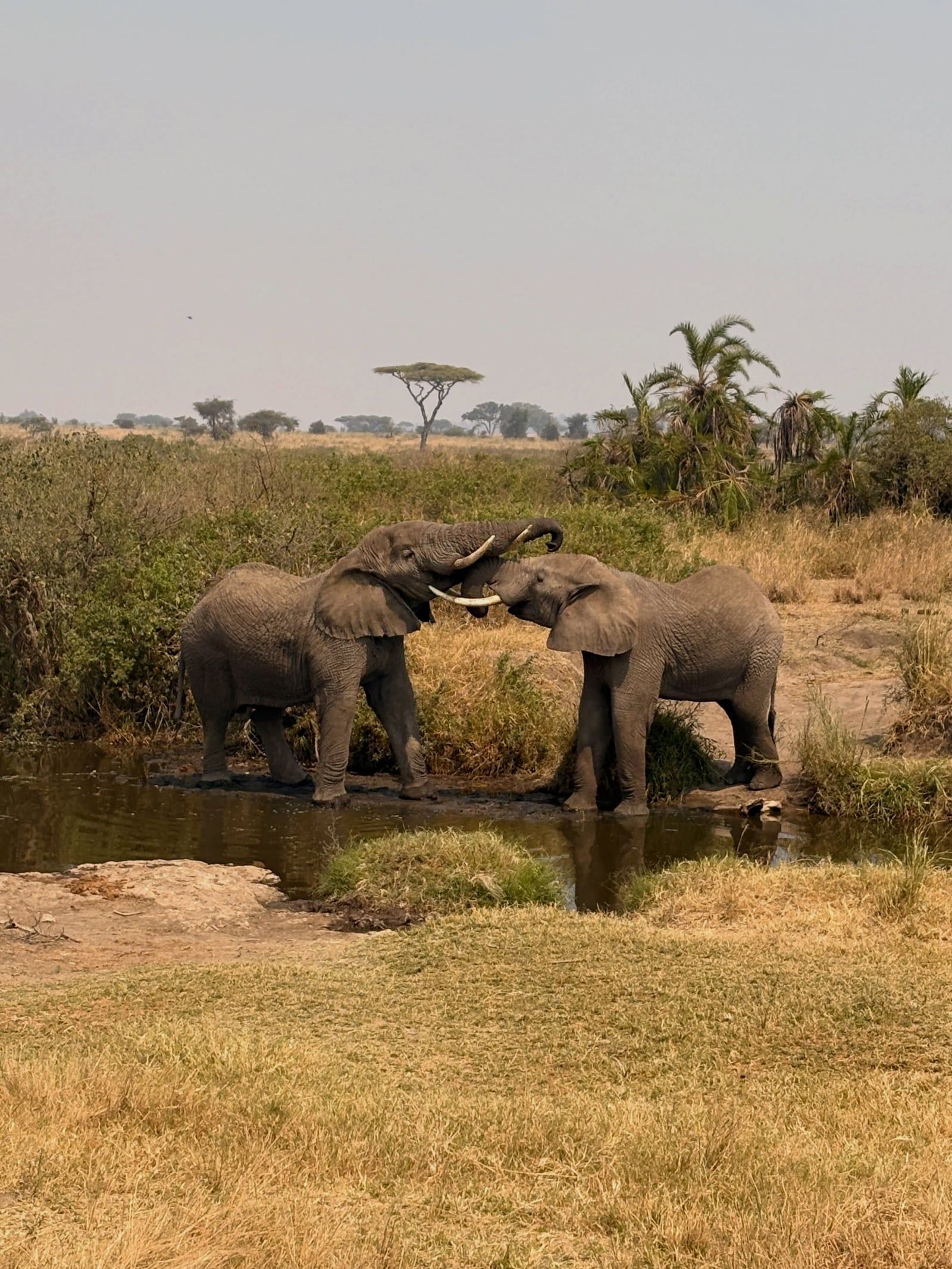
Ngoitokitok Spring is one of the few spots where you may leave the vehicle on the crater floor. Huge hippos grunt metres away and elephants come down to drink. A hot bush lunch requires a US$10-per-person NCAA permit, issued first come, first served, so have your lodge arrange it ahead.
Compare 10 safaris from $200 — park fees, lunch, and hotel pickup from Arusha or Moshi included, with free cancellation up to 24 hours before.
Swipe to see more
 Free Cancellation 120h
 Free Cancellation 96h
 Free Cancellation 72h
 Free Cancellation 96h
June to October is the prime window: dry weather, short grass, and animals crowded around permanent water make rhino and big-cat spotting easiest on the crater floor. January–February is the best alternative, when wildebeest calve on the nearby plains and the crater is greener and quieter.
September and October sit inside the prime dry window — short grass, minimal rain, easy spotting. November's short rains arrive and tracks soften. Come early in the season.
January–February is the best green-season bet: lush scenery, wildebeest calving on the short-grass plains, migratory birds, and noticeably fewer vehicles than the July–September peak.
The long rains hit mid-March to mid-May. Downpours turn crater and highland tracks muddy, sometimes impassable; mist shrouds the rim. Green-season rates drop 30–50% if you're flexible.
The heart of the long dry season. Grass is short, animals concentrate around permanent water, and black rhino and big cats are easiest to find — though July–August draws peak crowds.
Gates and barriers open at 06:00 and close at 18:00 daily, year-round, and game drives inside the crater are only permitted between 06:00 and 18:00 — no vehicles on the floor outside those hours. The Seneto Descent Gate closes earlier, at 16:00, and it's descent-only; Lerai handles ascent-only, while Lemala (Sopa) takes both directions. Be at the gate for 06:00: the best light and the most active predators come in the first three hours, and the half-day permit (one entry only) means most visitors descend early and exit by early afternoon.
| Category | Price |
|---|---|
| Foreign non-resident adult entry (per 24 hours) | US$70.80 (US$60 + 18% VAT, rates effective 1 July 2021) |
| Foreign non-resident child, ages 5-15 | US$23.60 per 24 hours |
| Children under 5 | Free |
| East African/Tanzanian citizens, ages 16+ | TZS 11,800 |
| Crater Service Fee (per vehicle, not per person, required to descend) | US$295 |
| Public campsite (per adult per night) | US$35.40 |
| Special campsite (per adult per night) | US$70.80 (child US$35.40; child on public campsite US$11.80) |
| Walking safari (per adult) | US$23.60 (child US$11.80; maximum 8 people per guide) |
| Hot-meal (bush lunch) permit (per person) | US$10, issued at the Conservator's discretion, first come first served |
| Commercial filming permit (per person per day) | US$100 (includes entry; excludes the crater service fee) |
Entry permits must be prepaid electronically in advance or arranged through your operator or bank — bring the receipt or serial number to the gate. A licensed guide is mandatory for the crater. Splitting the US$295 vehicle fee among 4-6 travelers in one 4x4 brings it down to roughly US$49-74 each. Tariffs are subject to change without notice, and increases typically take effect each 1 July, sometimes with only short notice, so confirm current rates with official NCAA/TANAPA sources or your operator shortly before you travel. Note that the crater tour permit covers one entry (a half day).
For complete schedules and ticket prices, visit our Hours & Fees page.
Most visitors reach the crater by charter 4x4 from Arusha, a 180 km paved drive of 3.5-4.5 hours through Mto wa Mbu to Loduare Gate. Flying to Lake Manyara Airstrip cuts the trip to about 45 minutes plus a 1-1.5 hour drive to the rim. The descent roads are 4x4-only, and a licensed guide is mandatory.
📍 Ngorongoro Crater has no street address — it lies inside the Ngorongoro Conservation Area in northern Tanzania, about 180 km west of Arusha, with road access through Loduare Gate near Karatu.
The standard route: 180 km on pavement from Arusha through Mto wa Mbu (last reliable fuel), up the Great Rift Valley wall to Loduare Gate. Takes 3.5-4.5 hours depending on traffic and stops. Descent roads into the crater are strictly 4x4 — two-wheel-drive vehicles can't manage them, and tracks turn impassable in the long rains. Nearly all visitors charter a 4x4 with driver-guide from Arusha, Moshi or Karatu. Sleep on the rim the night before if you can.
Coastal Aviation, Regional Air and Auric Air fly daily to Lake Manyara Airstrip (LKY) from Arusha (ARK) in 9-13 seat Cessna Caravans — roughly 45 minutes in the air, then a 1-1.5 hour drive to the crater rim. Worth it if you're linking the Serengeti or short on time. Watch the light-aircraft luggage limits, which are strict. The airstrip also serves Lake Manyara National Park.
The budget option: frequent daladala and coach services run about 140 km from Arusha's main bus stand to Karatu, the gateway town south of the NCA, in around 3 hours via Mto wa Mbu. Public transport doesn't enter the conservation area, so from Karatu you'll still need to hire a 4x4 with guide or arrange a lodge transfer. Fine for independent travelers; awkward if you want a dawn start, since Karatu sits about an hour from the gate.
Coming the other direction, it's 140 km from Seronera to the crater — about 3 hours of driving, more with wildlife stops en route. Exit the Serengeti through Naabi Hill Gate and cross the short-grass plains, which host the wildebeest calving in late January and February. The descent into the crater uses the Seneto or Lemala roads. NCA re-entry fees apply (US$70.80/adult), and most safari itineraries fold the drive into the package price.
For detailed transport options and routes, visit our Directions page.
Book a rim lodge the night before your descent so you're at Seneto or Lemala gate when it opens at 06:00. Rim lodges sit at about 2,300 m, minutes from the descent gates, so you beat the tour-bus queue and catch predators while they're still hunting. Karatu works out cheaper, but means a pre-dawn hour-long drive to the gate.
The crater service fee is US$295 per vehicle, not per person, so fill your 4x4: shared among 4-6 travelers, it drops to roughly US$49-74 each. A couple alone pays about US$437 total in NCAA fees for one descent plus a day's entry. Permits are valid for one entry only, so make that half-day count.
Gates open at 0600 and close at 1800, but the Seneto Descent Gate shuts earlier, at 1600 — and it's descent-only, so you must exit via Lerai (ascent-only) or Lemala (both directions). Game drives are only permitted 06:00-18:00. Arrive early anyway: the best light and most active cats come in the first three hours.
Rim nights drop to 0-5°C with cold mist at 2,200-2,300 m, while the crater floor 600 m below warms up fast. A fleece is the most forgotten item on northern Tanzania safaris; add a windbreaker, since many lodges have no heating beyond a fireplace. Long sleeves at dusk help against mosquitoes and tsetse flies, and avoid dark blue and black — tsetse are drawn to those colors.
Tanzania banned plastic carrier bags nationwide on 1 June 2019, with fines and confiscation for tourists — airports inspect luggage on arrival (resealable 100 ml liquid bags are the tolerated exception). Camouflage clothing is also illegal for civilians, so skip the military-pattern safari gear. Drones are banned without special permits too.
Mto wa Mbu, on the route from Arusha, is the last reliable fuel stop before the conservation area — fill the tank there. Entry fees are usually prepaid electronically, but tips, Maasai village visits and small purchases need cash in small US dollar bills, and ATMs are scarce. Top up in Arusha or Karatu before heading to the gate.
The 'Cradle of Mankind', where Mary Leakey found the 1.75-million-year-old Zinjanthropus boisei skull in 1959. A museum and guided walk into the gorge (about 90 minutes combined) cover deposits spanning 2.1 million to 15,000 years. Entry for foreign non-residents is around US$35.
The natural continuation of any Ngorongoro trip: over 1 million wildebeest and 72,000 zebras calve on the shared short-grass plains around January-February. Big-cat viewing here is world-class, and the drive via Naabi Hill Gate is itself a game drive. Exit the Serengeti through the same gate on the way back.
A compact park of groundwater forest and soda lake on the Arusha-Ngorongoro road, famous for tree-climbing lions, huge baboon troops and thousands of flamingos. It slots naturally into the drive, and Lake Manyara Airstrip (a 1-1.5 hour drive from the rim) makes fly-in itineraries practical.
Read what travelers share about their experience visiting Ngorongoro Crater — from practical tips to personal highlights.
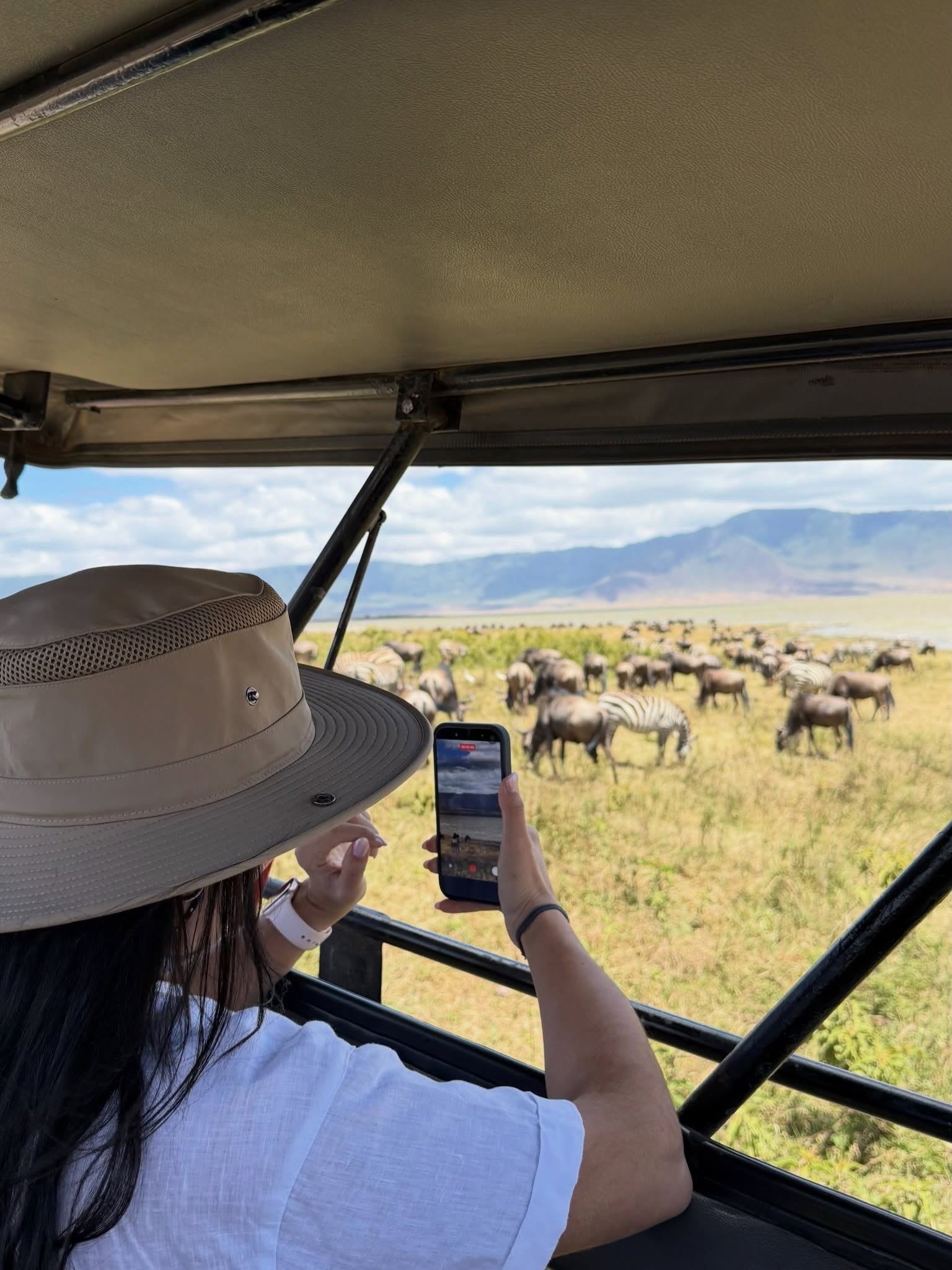
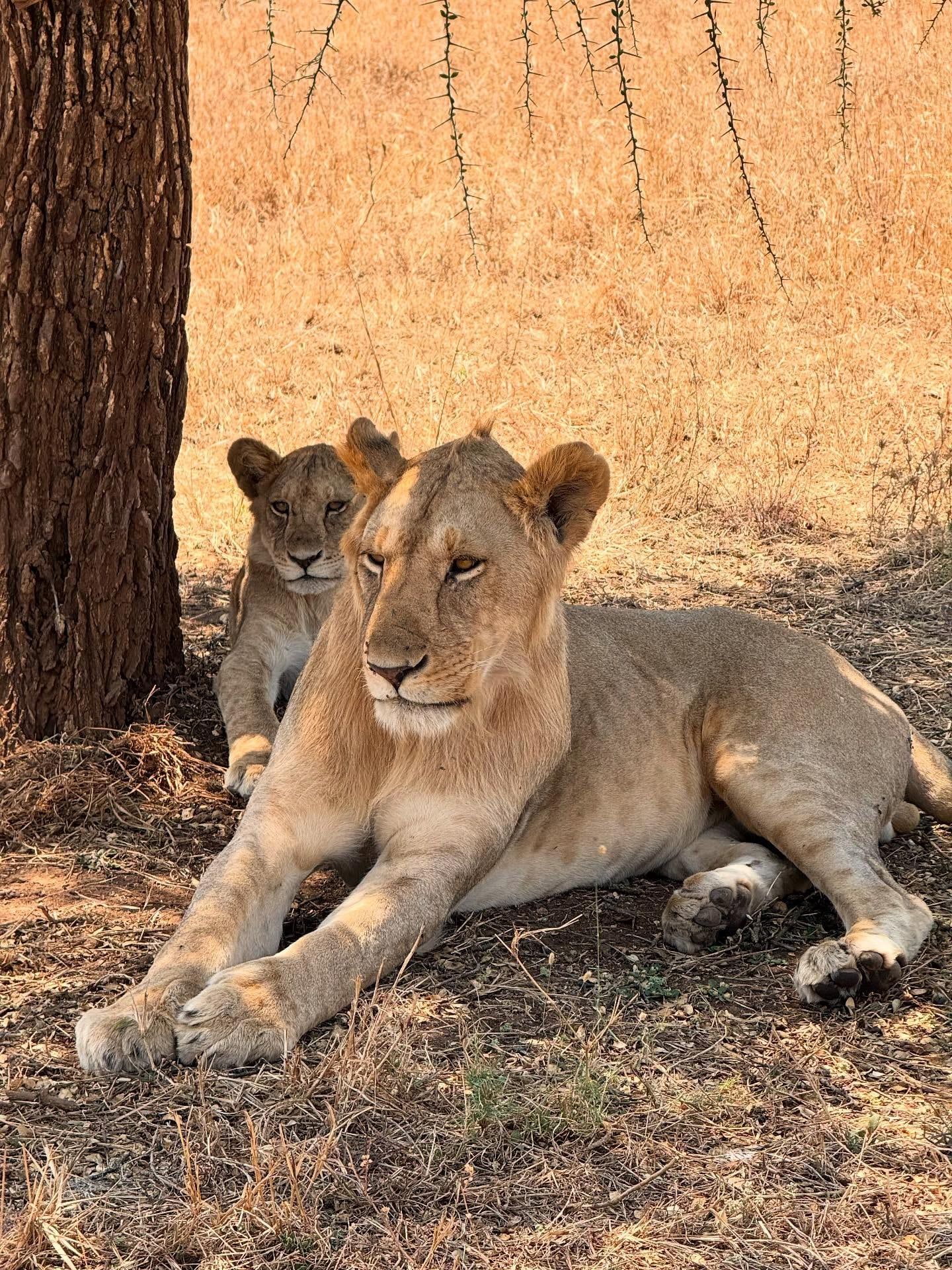
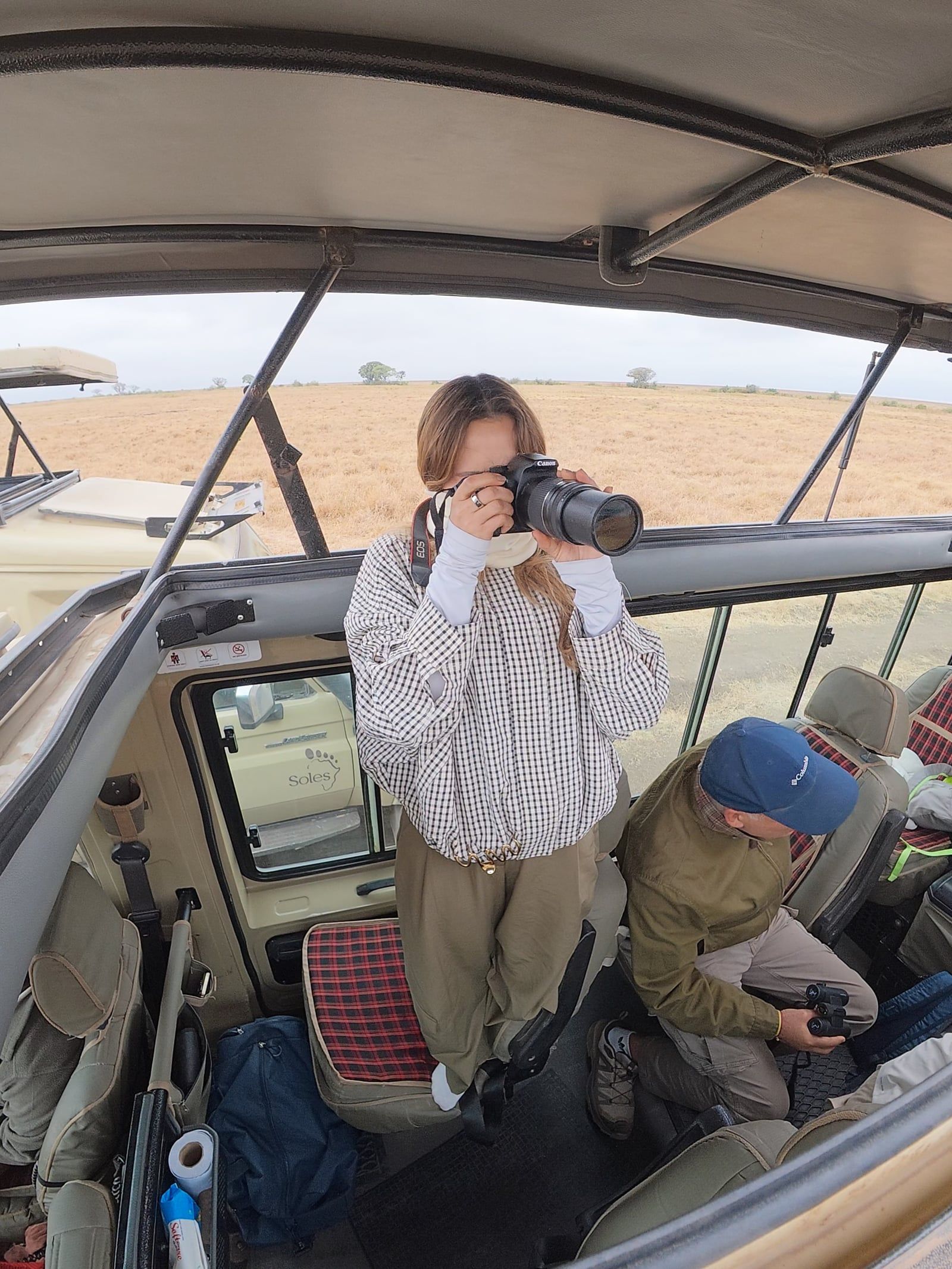
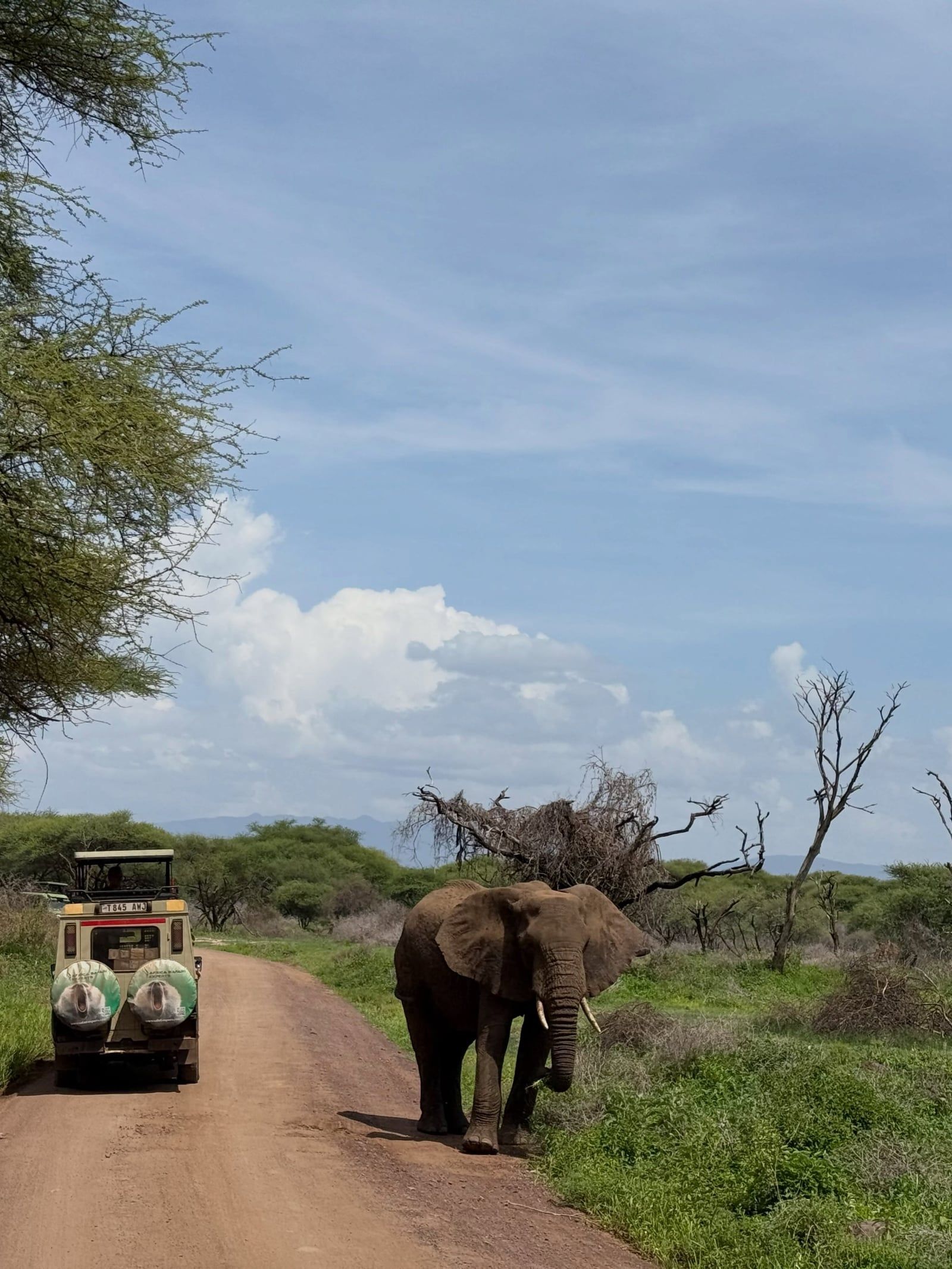
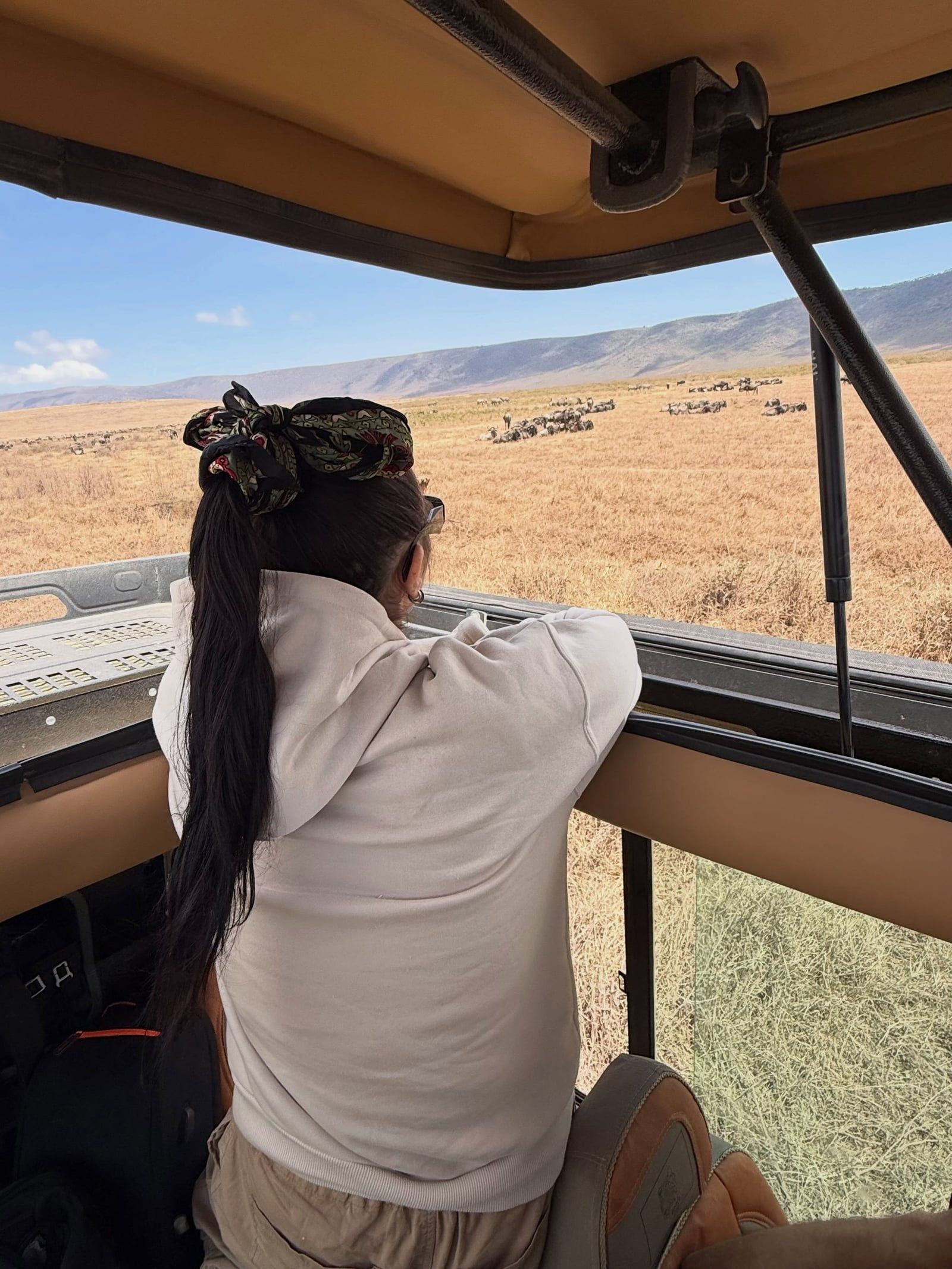
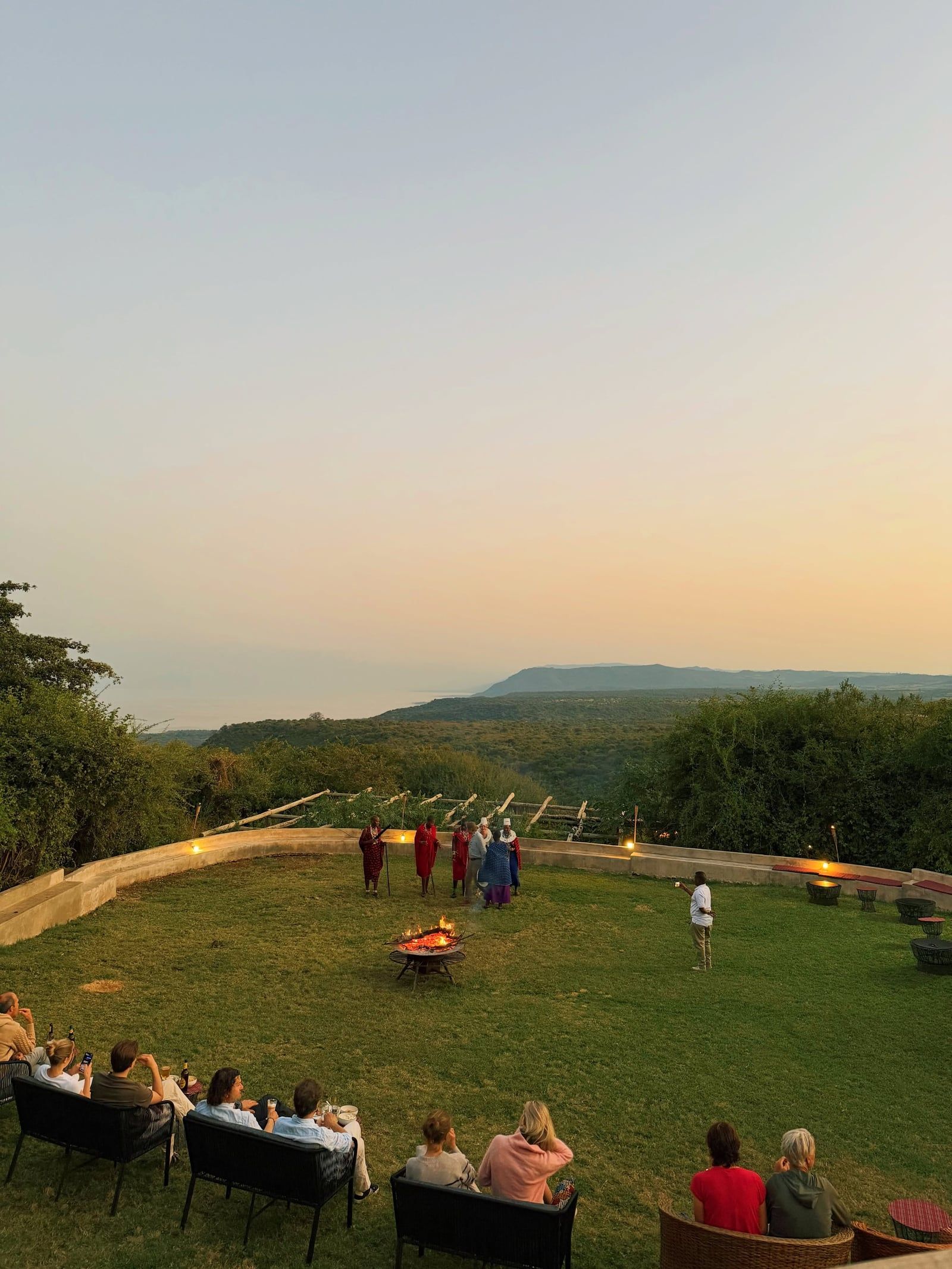
Planning advice, comparisons, and practical tips.
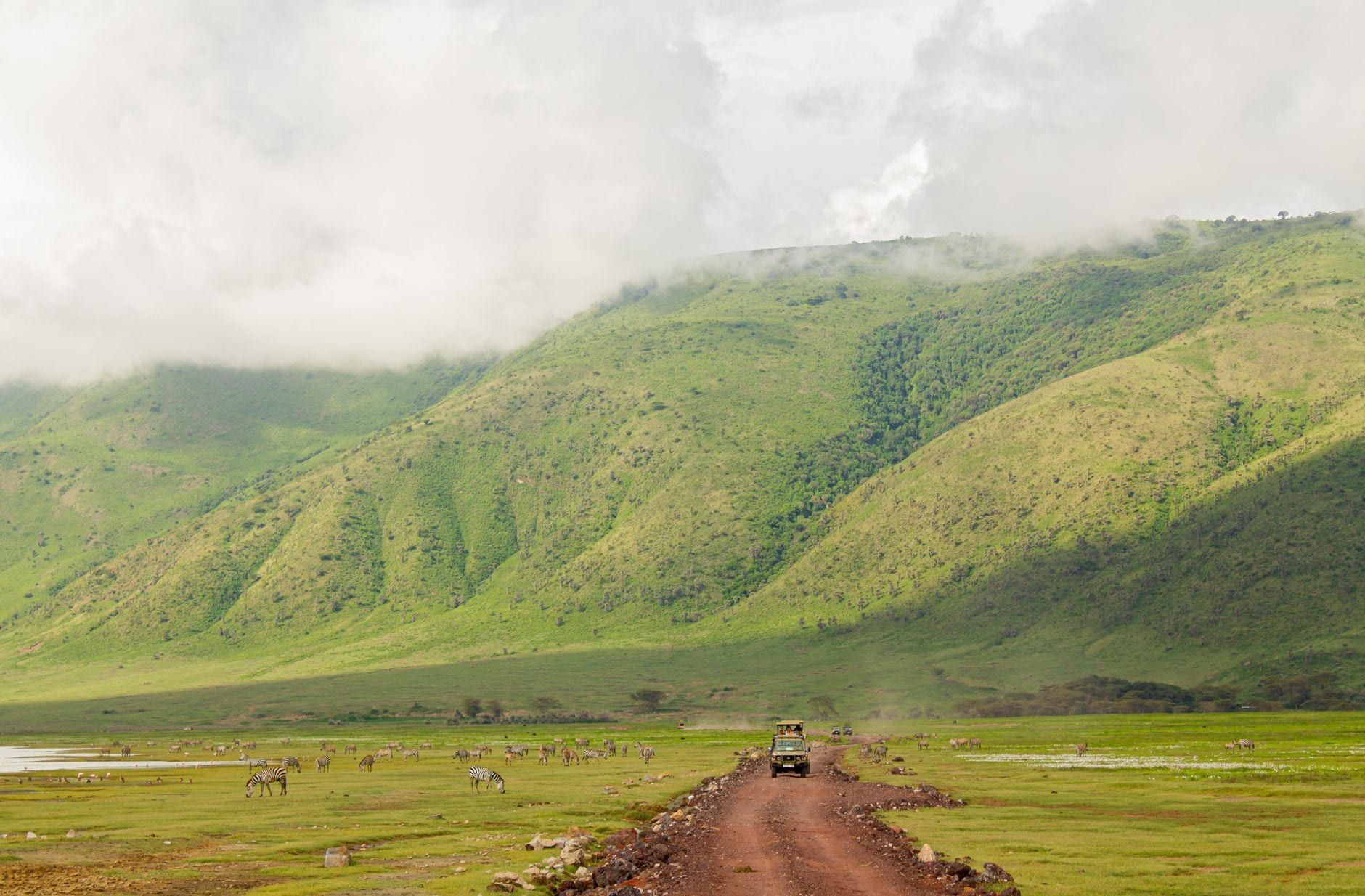
Ngorongoro Crater has no bad wildlife month. Roughly 25,000 large animals live year-round inside the world's largest intact caldera, hemmed in by…
Ngorongoro packs roughly 25,000 large animals into a volcanic bowl you can cross in a morning, and that density is why it anchors most northern…
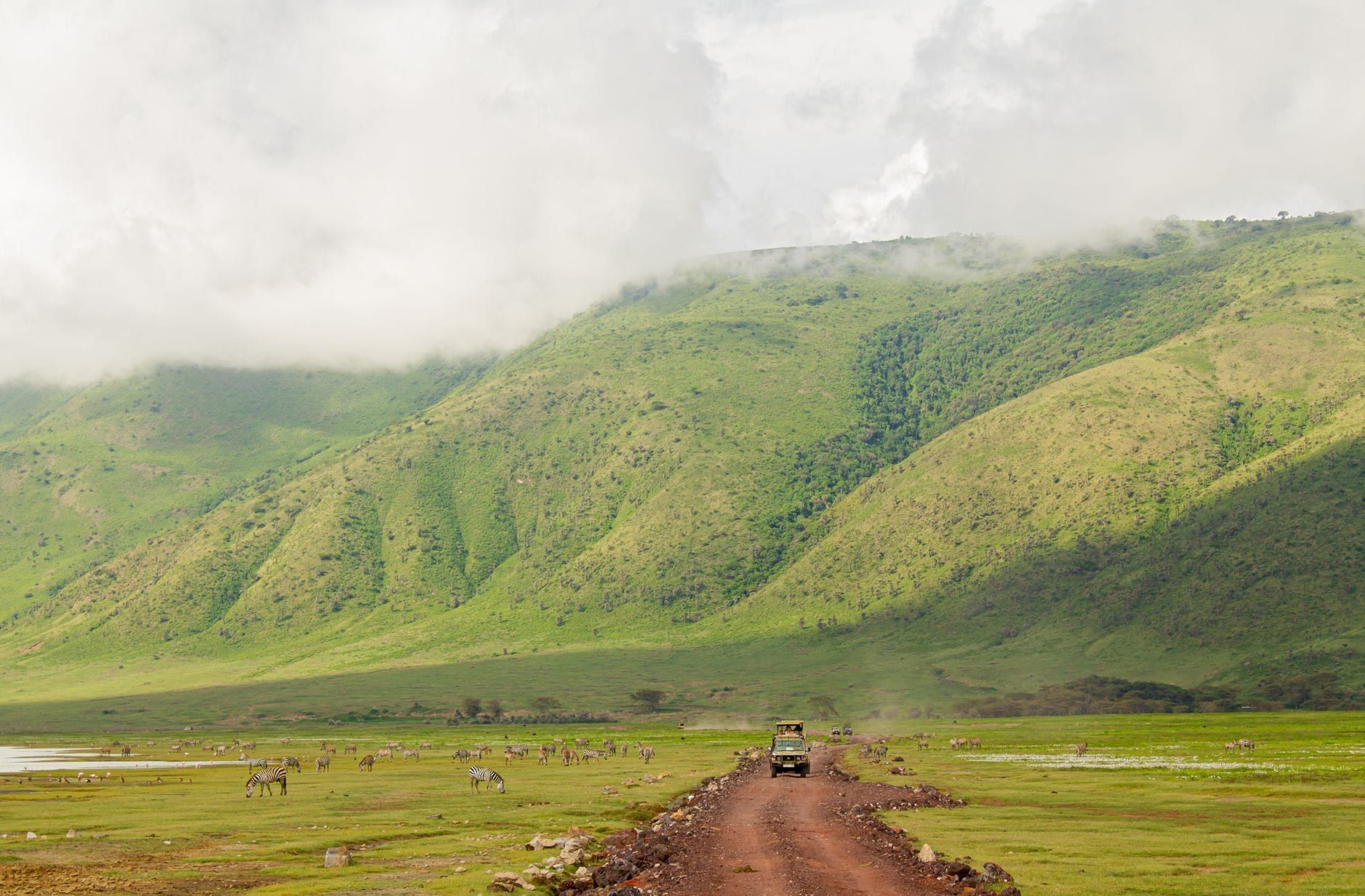
Sleep on the crater rim the night before you descend, and in Karatu — the coffee-farming town roughly an hour below the gate — for every other night.…
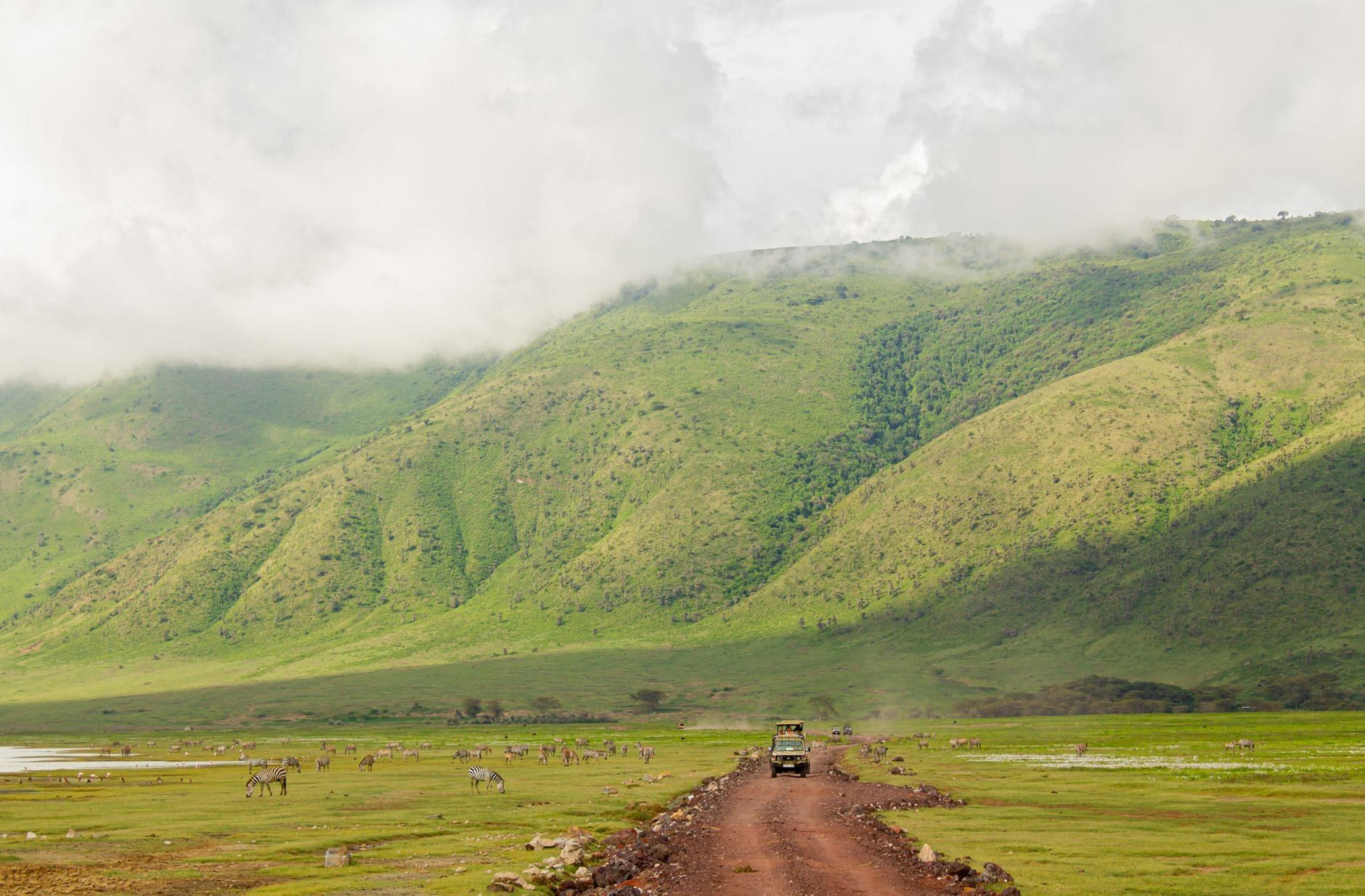
Roughly 25,000 large mammals live inside a single 260-square-kilometre volcanic bowl in northern Tanzania, and almost all of them are visible from a…
Foreign non-residents pay US$70.80 per adult per 24 hours (US$60 plus 18% VAT) and US$23.60 per child aged 5-15, with under-5s free. Descending into the crater adds a US$295 crater service fee per vehicle — not per person — so a couple sharing one 4x4 pays roughly US$437 in NCAA fees for a day's entry plus one descent. Split that vehicle fee among 4-6 travelers and it drops to about US$49-74 each.
Gates open at 06:00 and close at 18:00 daily, year-round, and game drives on the crater floor are only permitted between those hours. The Seneto Descent Gate shuts earlier, at 16:00, and it's descent-only — Lerai handles ascent, Lemala (Sopa) both directions. Arrive at opening: the first three hours bring the best light and the most active predators.
Yes, but it's a 180 km drive each way, taking 3.5-4.5 hours, so day tours leave Arusha around 05:00-06:00 and most visitors descend by 08:00 and exit by early afternoon — the official crater tour is a half day with a single-entry permit. Overnighting on the rim or in Karatu is far more relaxed, and a rim lodge puts you minutes from the descent gates at 06:00.
The standard route is a private 4x4 from Arusha — 180 km through Mto wa Mbu (the last reliable fuel stop) to Loduare Gate. Flying is an option: a 45-minute hop to Lake Manyara Airstrip on Coastal Aviation or Regional Air costs US$150-250 one-way, followed by a 1-1.5 hour drive to the rim. Budget travelers can take a daladala bus from Arusha to Karatu for about US$5, then hire a 4x4 and guide from there, since public transport doesn't enter the conservation area.
A licensed guide is mandatory for both the crater and Oldupai Gorge, and the descent roads are 4x4-only — tracks can become impassable in the rainy season. Self-drive is technically possible with your own vehicle plus a guide, but nearly all visitors charter a 4x4 with a driver-guide from Arusha, Moshi, or Karatu. Vehicles descending must also carry recovery gear (a heavy-duty jack, chain or rope, shovel, and axe or panga).
Pack for two climates: the rim sits at 2,200-2,300 m with nights of 0-5°C and cold mist, while the floor 600 m below warms up fast — a fleece and windbreaker are the most forgotten items on a northern Tanzania safari. Add long sleeves for mosquitoes and tsetse flies at dusk, high-SPF sunscreen for the equatorial UV at altitude, and cash in small US dollar bills, since ATMs are scarce inside the NCA. Leave plastic carrier bags at home — they're banned nationwide, and airports inspect luggage.
Yes, more so than most Tanzanian parks, because the entire experience is vehicle-based: the crater floor road network is easily navigable and several operators run adapted 4x4s with ramps, hydraulic lifts, and wheelchair locking systems. Book an accessible vehicle and confirm step-free lodge rooms in advance, since there are no paved trails on the floor — you can only leave the vehicle at designated picnic sites. Seniors should note the rim's altitude (mild effects possible) and those cold, damp mornings.
June to October is the prime window — the dry season means short grass, animals concentrated around permanent water, and the easiest black-rhino and big-cat spotting on the floor. January-February is the best alternative, with lush scenery, newborn wildebeest on the nearby plains, migratory birds, and fewer vehicles than the July-September peak. Avoid mid-March to mid-May if you can: heavy rains turn the tracks to mud and mist can hide the rim, though green-season rates run 30-50% below peak.
Browse verified tours with free cancellation and instant confirmation.
Find Tours


