About All ToursSafari ToursConservation Area ToursLuxury Safari ToursCrater & Serengeti ToursPrivate Tours Directions Hours & Fees Guides
Find Tours 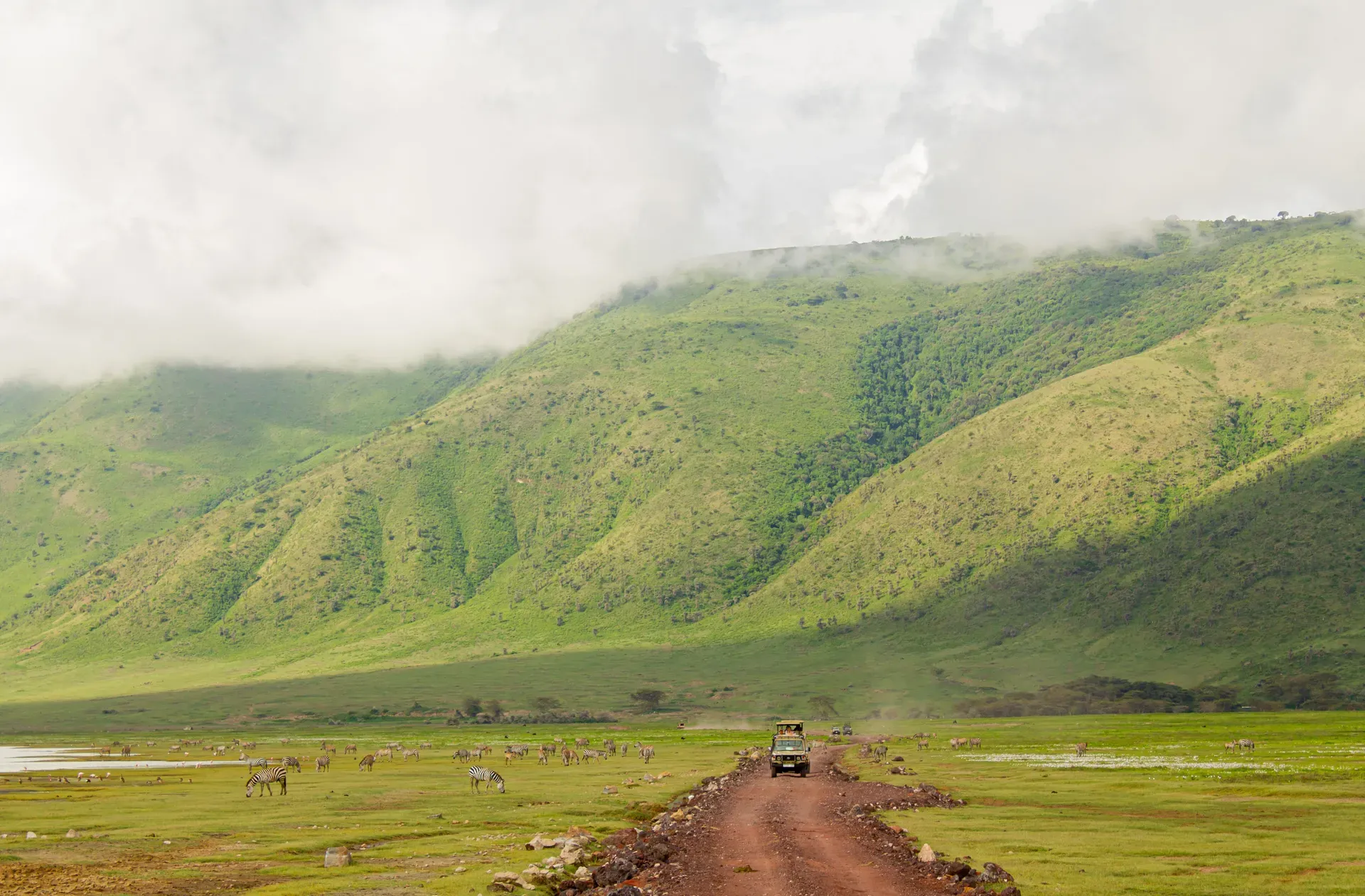
Descend into the world's largest intact volcanic caldera on a Ngorongoro Crater safari, with options ranging from shared-group day trips to private tours and multi-day Serengeti combos. Most tours include park fees, lunch, and a professional driver-guide in a 4x4 safari vehicle with a pop-up roof.
 Free Cancellation
10-hour guided day trip into Ngorongoro Conservation Area with Arusha pickup and lunch included.
 Free Cancellation
11-hour crater day trip from Arusha with hotel pickup, guide, lunch and drinks included.
 Free Cancellation
3-day camping safari from Arusha covering Serengeti game drives and an overnight in Ngorongoro Conservation Area.
 Free Cancellation
Shared-group day trip with 6:00 am pickup, black rhino tracking, flamingos at Lake Magadi, and hippo pools.
 Free Cancellation
9-hour shared 4x4 group safari from Arusha or Moshi with crater game drive and picnic lunch.
 Free Cancellation
Two-day, one-night safari covering Tarangire and Ngorongoro Crater with English-speaking guide.
 Free Cancellation
3-day budget safari from Vision Safari covering Serengeti and Ngorongoro Crater, with all meals and a guide.
 Free Cancellation
Full-day Ngorongoro Crater safari from Moshi with hotel pickup (transfer fee extra), 4x4 vehicle, English guide, meals and water included.
 Free Cancellation
Full-day (12h) private 4x4 safari from Arusha to Ngorongoro Crater with hotel pickup, guide, and picnic lunch.
 Free Cancellation
Private 10-hour crater day safari from Arusha with 05:00 pickup, picnic lunch, and park fees included.
Read what travelers share about their experience visiting Ngorongoro Crater — from practical tips to personal highlights.
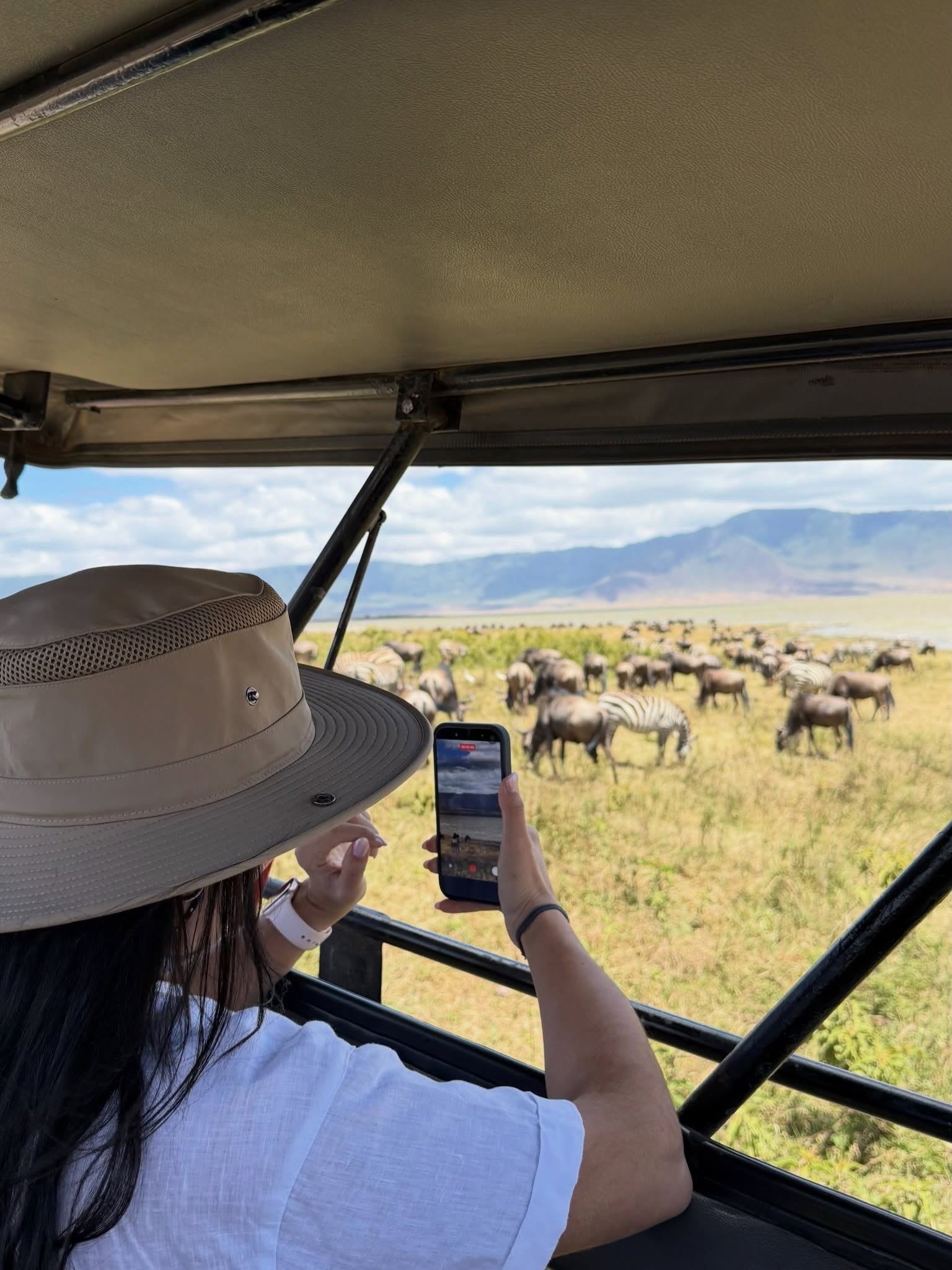
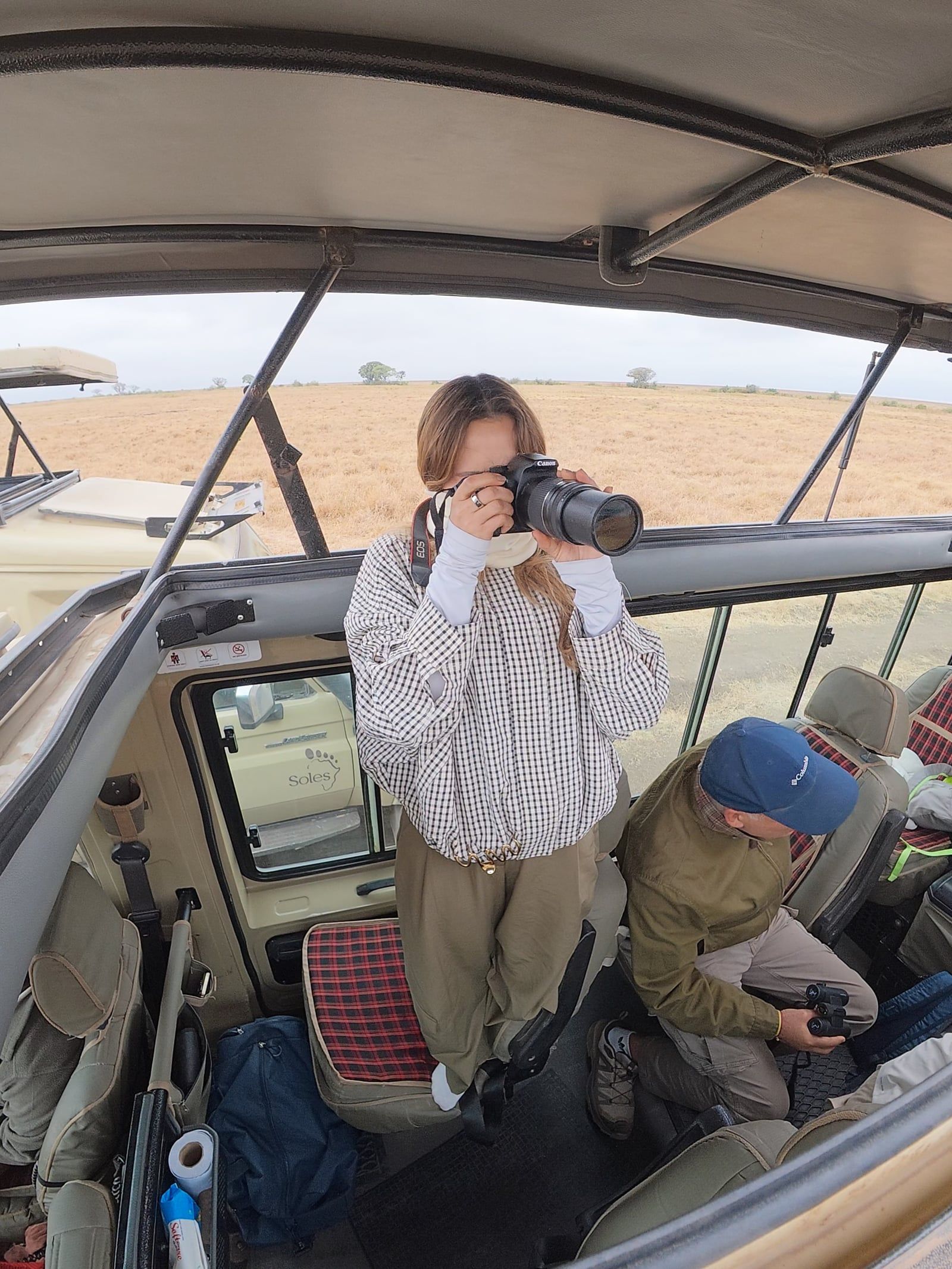
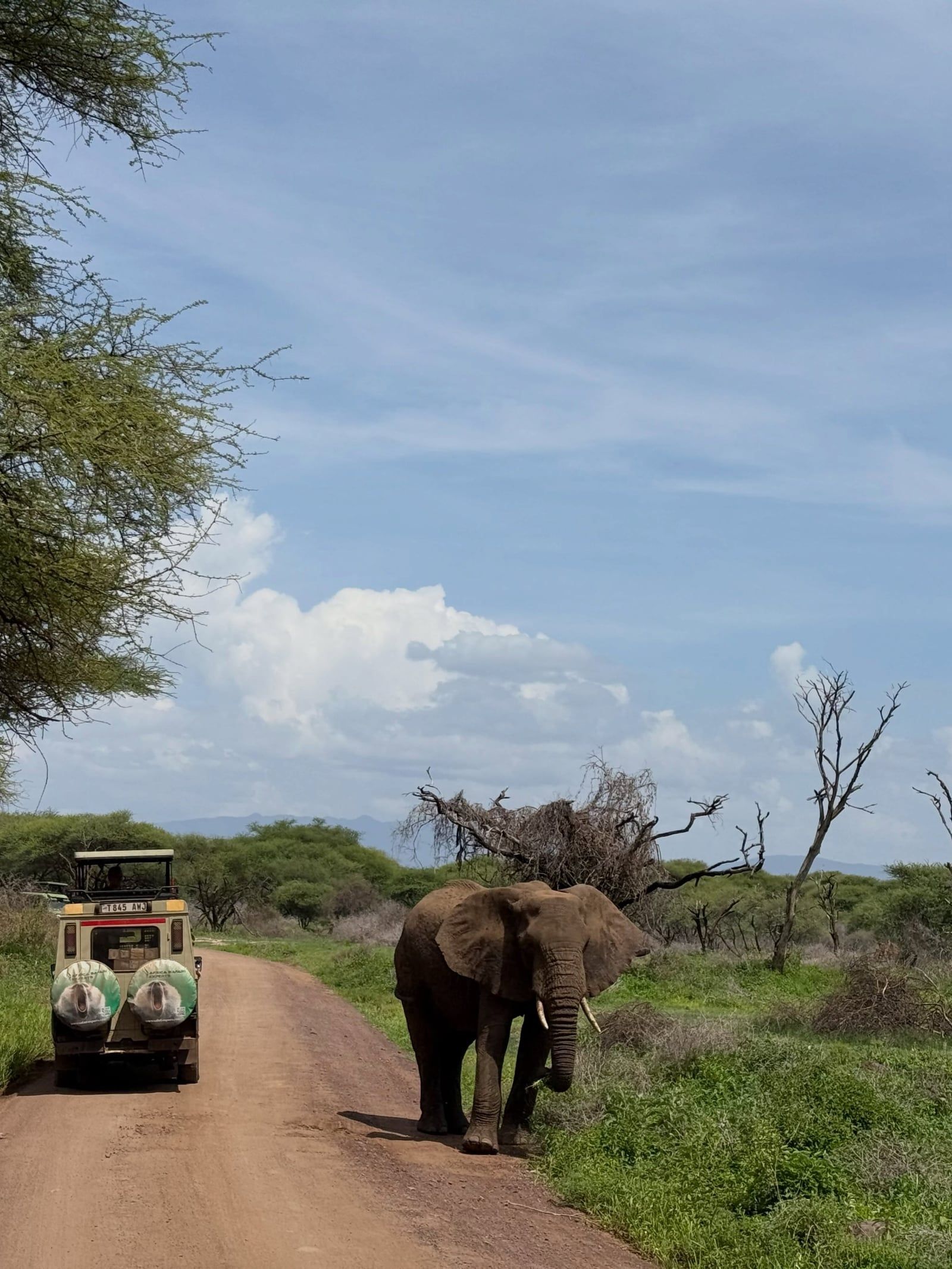
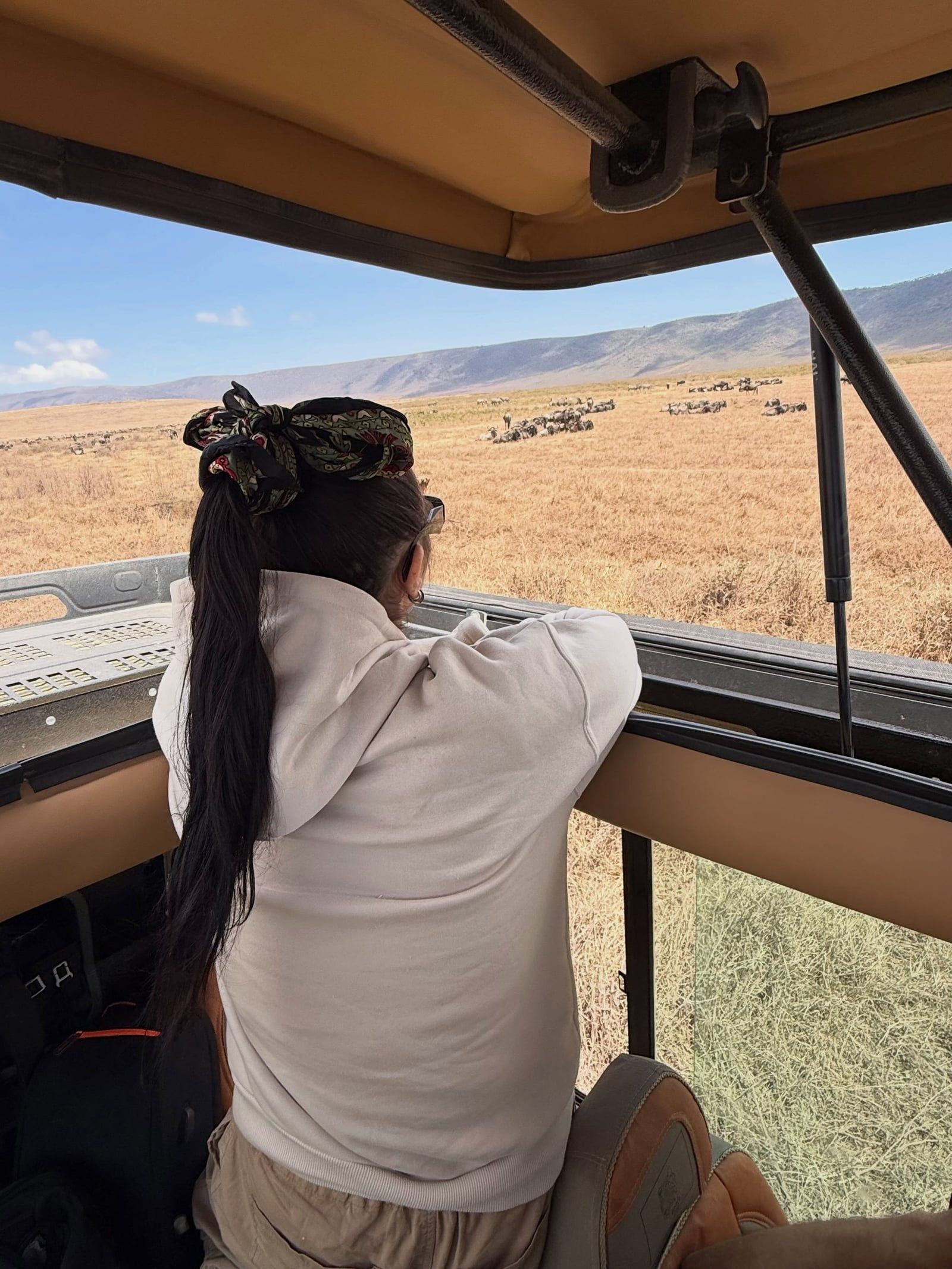
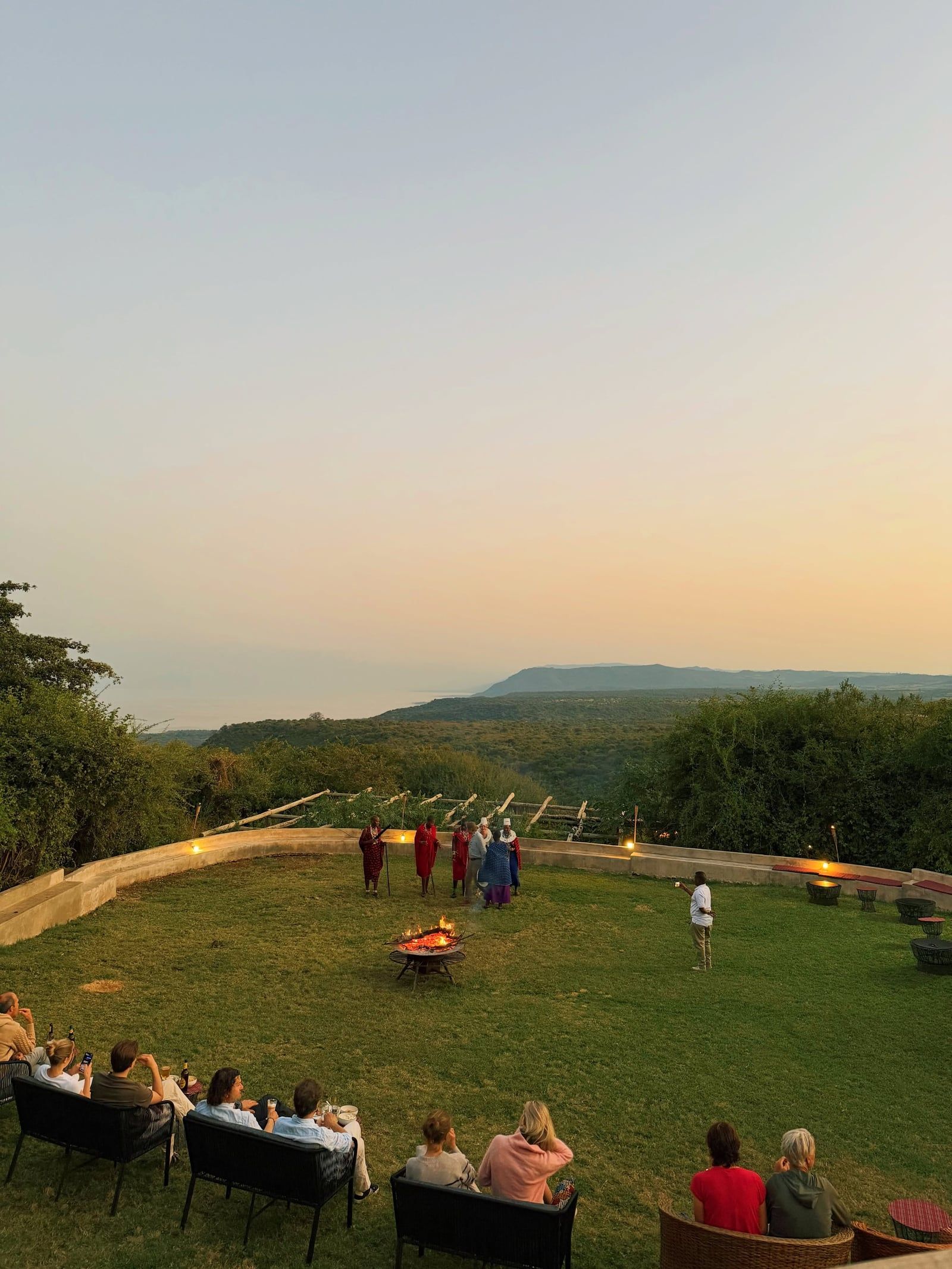
Most tours pick you up in Arusha or Moshi between 05:00 and 06:00, drive three to four hours to the gate, and give you five to eight hours inside the conservation area. Below waits a 260 km² caldera floor — grassland, montane forest and a soda lake sitting 600 m below the rim — holding roughly 25,000 large animals. You see it all from a 4x4 with a pop-up roof, and a single half-day drive can tick off the Big Five.
The Seneto road switchbacks down the crater wall for about 30 minutes through dripping montane forest. Baboons and buffalo hang around the lower bends. Then the trees part and the whole floor opens at once — the classic 'Garden of Eden' reveal.
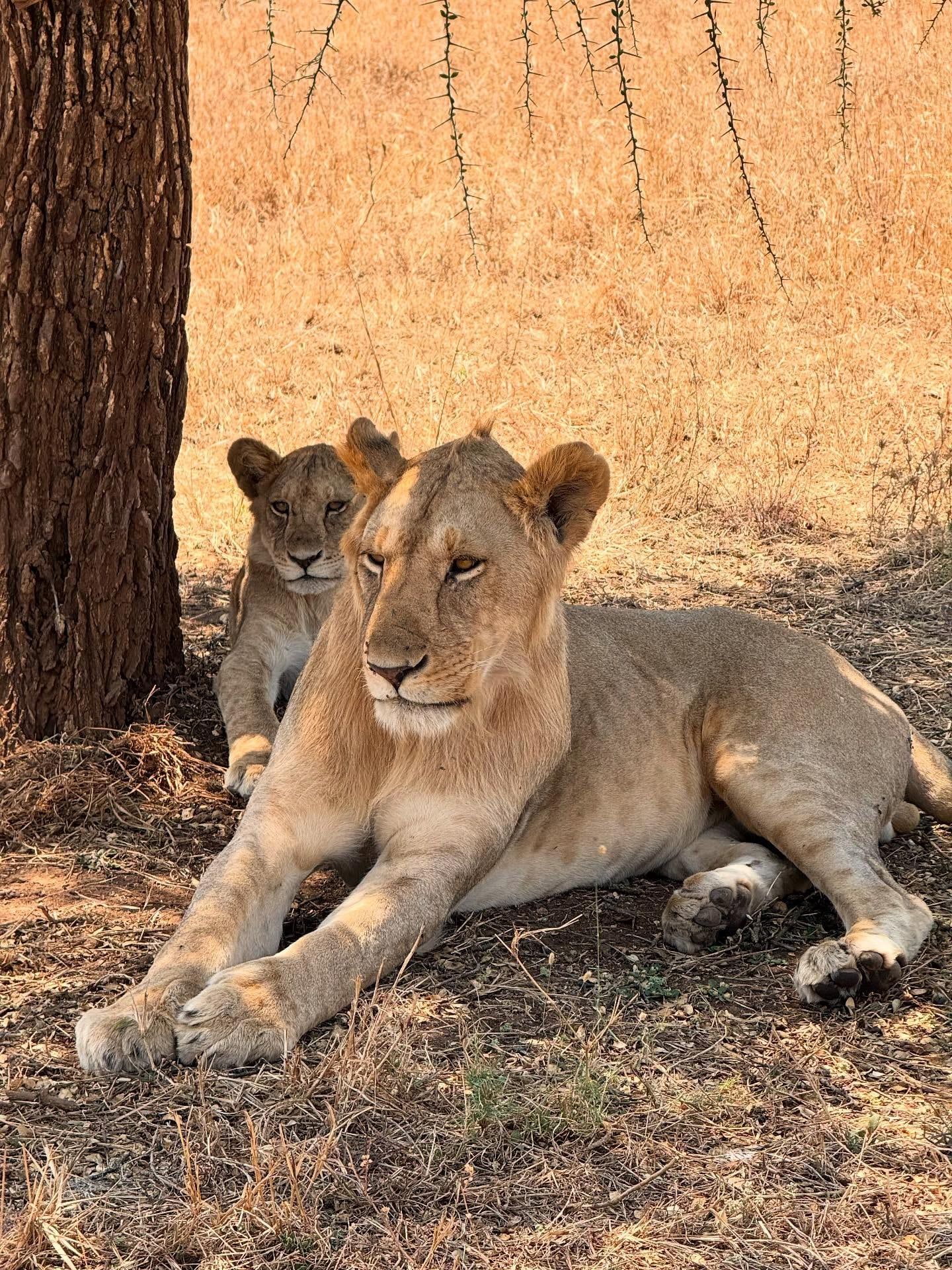
The crater holds Africa's densest known lion population plus one of Tanzania's few viable black-rhino groups. In dry-season short grass, guides regularly find rhino, lion and cheetah within a few hundred metres of each other. Leopard hide in the Lerai Forest.
Ngoitokitok Spring is one of the few spots where you may leave the vehicle. Hippos grunt metres from the tables and elephants come down to drink. Tours stop here for a picnic lunch, usually around midday.
The shallow soda lake at the crater's heart draws flamingos when water levels suit, and its shoreline feeds wildebeest, zebra and gazelle year-round. Neighbouring Gorigor Swamp is a favourite lion ambush ground. Bring binoculars for the waders.
At first light, cloud often fills the caldera and then burns off to expose the entire floor in one sweep. Rim lodges sit minutes from the descent gates, so early tours catch this before dropping down. It's the shot everyone wants.
Semi-nomadic Maasai herders still live and graze cattle throughout the conservation area — a rare arrangement where people and wildlife share the land. Village stops near the rim road include dances and craft markets. Always ask before photographing anyone.
Tour prices here range from US$200 to US$820, and what's bundled varies more than the price suggests. Read the inclusions list before comparing.
Day trips from Arusha run US$300-459, while a Moshi-based budget version starts at US$200. Multi-day combinations — two days with Tarangire (US$440) or three days camping through the Serengeti (US$810-820) — spread the long drives over several mornings. Shared-group and private versions exist for nearly every itinerary.
Check carefully. The US$300 shared trip and the US$459 private tour include all fees and taxes, but the US$200 Moshi tour excludes them. A couple sharing one vehicle pays roughly US$437 in NCAA fees on top of any excluded price — US$70.80 per adult entry plus the US$295-per-vehicle crater service fee.
Day trips run daily year-round and can often be booked a few days ahead. Book multi-day trips earlier: the 3-day Serengeti camping safaris cap at 6 travelers per departure, and special campsites inside the NCA sell out months ahead for July-September.
NCAA's official schedule states the crater tour is a half day, and your permit covers one entry only. Most day-trippers descend by 08:00 and leave the floor in early afternoon. If you want longer, book an overnight on the rim rather than a second descent.
Many tours stop at Oldupai Gorge en route to the Serengeti — a guided walk plus museum takes about 90 minutes and entry costs around US$35 for foreign non-residents. Multi-day itineraries add Tarangire, Lake Manyara or the Empakaai Crater hike, all within a few hours' drive.
Everything on the crater floor happens from a vehicle, and several tours list wheelchair-accessible transport with ramps and lifts. The catch: no paved trails exist below the rim, and you can only leave the vehicle at designated picnic sites. Confirm a step-free lodge room separately.
Every tour on this page offers a full refund if you cancel at least 24 hours before departure. That covers most weather surprises except last-minute illness. Fees themselves are prepaid electronically, so keep your receipt or serial number for the gate.
The rim sits at 2,200-2,300 m with nights of 0-5°C and daytime mist, while the floor 600 m below warms up fast. A fleece is the most forgotten item on northern Tanzania safaris. Add a windbreaker, long sleeves for mosquitoes and tsetse, and high-SPF sunscreen.
Swipe to see more
| Shared Group Day Trip | Private Full-Day Tour | 2-Day Tarangire + Ngorongoro | 3-Day Serengeti + Ngorongoro Camping | |
|---|---|---|---|---|
| Duration | 9-12 hours, hotel pickup 06:00 | 10-12 hours, pickup from 05:00 | 48 hours, one night | 72 hours, two nights |
| Price from (USD) | US$200-380 | US$459-553 | US$440 | US$810-820 |
| Best for | Solo travelers and budgets — splits the vehicle fee among 6 people | Families and photographers who want to set their own pace and stops | Weekend visitors from Arusha squeezing in two parks | First-timers wanting the Big Five plus the migration plains |
| What's included | 4x4 with pop-up roof, guide, picnic lunch; fees included on the US$300 option but NOT the US$200 Moshi tour | Private 4x4 Land Cruiser, driver-guide, entry fees, bottled water, hippo-pool picnic; guides in 5 languages including German and Italian | All meals, parking fees, one night's lodging — but the pace is tight | Camping equipment, all meals, park fees, guide, 24/7 operator support; maximum 6 travelers per departure |
Swipe to see more
Gates and barriers open at 06:00 and close at 18:00 daily, year-round. Game drives inside the crater are only permitted between 06:00 and 18:00 — no vehicles on the floor outside these hours, full stop.
Your crater permit covers one entry, and NCAA's official schedule caps the crater tour at a half day — most visitors drive the floor from roughly 06:00 or 08:00 until early afternoon. Arrive early anyway: the best light and the most active predators come in the first three hours after the gates open.
Day tours from Arusha leave around 05:00-06:00 to make the gate for opening, since the drive takes 3.5-4.5 hours.
From Arusha it's 180 km (112 mi) on a paved road through Mto wa Mbu and up the Great Rift Valley wall to Loduare Gate — 3.5-4.5 hours in a safari 4x4. This is the standard route nearly every tour uses.
Two things matter for drivers: Mto wa Mbu is the last reliable fuel stop, and the crater descent roads are 4x4-only — two-wheel-drive vehicles are unsuitable and tracks can become impassable in the rains.
June to October is the prime window: short grass, animals concentrated around permanent water, minimal rain, and the easiest black-rhino and big-cat spotting on the floor. July-September is also the busiest period, so expect vehicle queues at sightings.
January-February is the best alternative — lush scenery, newborn animals during the wildebeest calving on the nearby short-grass plains, migratory birds, and fewer vehicles than the peak.
Avoid mid-March to mid-May if you can. The long rains turn crater and highland tracks muddy and occasionally impassable, and mist can hide the rim for hours. The trade-off: green-season rates run 30-50% below peak and the crater is nearly empty.
Because the floor holds permanent water, viewing is rewarding in every month. Pick the dry season for first sightings, the green season for photography and price.
The whole experience is vehicle-based, which makes Ngorongoro one of Tanzania's more feasible wheelchair-accessible destinations. Several operators run adapted 4x4s with ramps, hydraulic lifts and wheelchair locking systems — some tours on this page list wheelchair-accessible transport directly.
Inside the crater there are no paved or accessible trails, and you may only leave the vehicle at designated picnic sites. Book an accessible vehicle and confirm step-free lodge rooms in advance.
For seniors: game drives require almost no walking, and lodge-to-vehicle transfers are typically 10-30 m with staff help. The considerations are stepping up into a raised 4x4, the rim's 2,200-2,300 m altitude, and cold damp mornings — a rim lodge avoids the pre-dawn hour's drive from Karatu.
For families: excellent. Under-5s enter free, ages 5-15 pay US$23.60, and the animal density rewards short attention spans. Children must stay inside the vehicle except at picnic sites, and no dogs are allowed in the crater.
Facilities inside the conservation area are basic and priced accordingly. You can only exit the vehicle at designated picnic sites, of which Ngoitokitok Spring (hippo pool) is the classic stop.
Rim lodges sit at about 2,300 m minutes from the descent gates but often have no heating beyond a fireplace, so pack for 0-5°C nights. Karatu, an hour outside the gate, has a wider and cheaper range of lodging.
Oldupai Gorge has a museum with casts of the 3.6-million-year-old Laetoli footprints — allow about 90 minutes for the museum plus guided gorge walk (entry around US$35 for foreign non-residents).
Rangers enforce these with fines, so treat them seriously.
A licensed guide is mandatory for the crater and Oldupai Gorge, and every vehicle descending must carry recovery equipment — a heavy-duty jack, chain or rope, shovel and axe. NCAA states that all visitors enter the conservation area entirely at their own risk. Ask permission before photographing Maasai people.
Sometimes — check the inclusions. The US$300 shared trip and US$459 private tour include all fees and taxes, but the US$200 Moshi-based day trip excludes them. Fees themselves run US$70.80 per adult per 24 hours plus a US$295-per-vehicle crater service fee, so a couple sharing one vehicle pays roughly US$437 in NCAA costs.
Yes. It's 180 km and 3.5-4.5 hours each way, so tours leave Arusha around 05:00-06:00 and return by late afternoon or evening, running 10-12 hours door to door. The crater permit covers one half-day entry, so most day-trippers descend by 08:00 and exit the floor in early afternoon. Overnighting on the rim or in Karatu makes for a far more relaxed visit.
Gates open at 06:00, so Arusha departures start as early as 05:00 to reach the gate for opening. The shared group trips pick up at 06:00 from hotels and meeting points. Morning is when predators are most active, so the early start is worth the alarm.
A licensed guide is mandatory for the crater and Oldupai Gorge, and the descent roads are 4x4-only. Self-drive is technically possible with your own vehicle plus a guide, but nearly everyone books a 4x4 with driver-guide from Arusha, Moshi or Karatu — that's what every tour on this page provides.
The crater holds about 25,000 large animals in a compact 260 km² bowl, including Africa's densest known lion population and one of Tanzania's few viable black-rhino groups, so sightings are near-guaranteed even on a half-day drive. Rhino odds are best in the June-October dry season, when short grass keeps them visible on the slopes. Bring binoculars — rhino often stay at a distance.
Colder than most people pack for. The rim sits at 2,200-2,300 m with nights of 0-5°C and mist even in daytime, while the floor 600 m below warms up quickly. Dress in three layers — base, fleece, windbreaker — since many lodges have no heating beyond a fireplace.
Very. Animal sightings come fast and close, which suits short attention spans, and children under 5 enter free while ages 5-15 pay US$23.60. Kids must stay inside the vehicle except at designated picnic sites, and several tours offer infant seats or let small children ride on an adult's lap. Pack warm layers and consult a pediatrician about malaria prophylaxis.
All tours on this page offer a full refund if you cancel at least 24 hours before departure. Inside 24 hours you'll likely lose the payment. NCAA fees are prepaid electronically, so keep your receipt or serial number handy for the gate either way.
If you have three days, yes — the 3-day Serengeti and Ngorongoro camping safaris cost US$810-820 and cover both parks with all meals, gear and fees. Ngorongoro delivers the Big Five in one half-day drive; the Serengeti rewards multi-day visits with the migration and big-cat viewing. In late January and February, the calving plains near Naabi Hill Gate are spectacular.
Yes, malaria is present in the area even at altitude, so take prophylaxis and use 20-35% DEET repellent with long sleeves at dusk. Tsetse flies also bite in the woodlands, and they're drawn to dark blue and black clothing — pack lighter colors. Consult a travel clinic before you go.
Browse verified tours with free cancellation and instant confirmation.
Find Tours


A full-day, 10-hour game drive inside the Ngorongoro Conservation Area, with around seven hours actually spent in the park. An English-speaking driver-guide collects you from your accommodation after breakfast and you drive out through the savannah in the early morning light. Pickup is arranged by phone after booking, and covers anywhere within a 7–10 km radius of Arusha CBD at no extra cost. Beyond that radius you'll pay a surcharge, agreed when the representative calls. The safari vehicle has air conditioning, binoculars, charging ports and AV sockets, and lunch is provided along with all park fees and taxes. Cancel at least 24 hours before departure for a full refund.
For a full refund, cancel at least 24 hours before the scheduled departure time.
English


An 11-hour day trip that picks you up at any hotel in Arusha City (outside the city costs extra) and drives you into Ngorongoro Conservation Area for a full day on the crater floor with a professional driver/guide. The crater itself is the only stop, but it packs in a lot: the Big Five, including the endangered black rhino, plus a hippo pool where you stop for a picnic lunch, a soda lake where flamingos gather, and swamps and a river along the driving routes. Lunch, drinking water, soft drinks, tea and coffee are all included, along with every park fee and tax, so there's nothing to pay on the day. Dietary requirements beyond the standard menu are handled on request. Guides work in English, Spanish and French. Cancel at least 24 hours before departure for a full refund.
For a full refund, cancel at least 24 hours before the scheduled departure time.
English


Three days, two parks, and you sleep in a tent. Day one is a full day of game drives in Serengeti National Park, including a stop at a hippo habitat; day two you drive to the Ngorongoro Conservation Area and spend the night inside the park; day three you return to Arusha. The trip starts and ends in Arusha, with pickup anywhere in the Arusha region. Camping gear and a guide come as part of the package, and all three main meals — breakfast, lunch, dinner — are covered while you're out there. One caveat: the listing's "not included" entries are unspecified, so confirm park entry fees and camping equipment with the operator before you book. Cancellation is standard — full refund if you cancel at least 24 hours before departure.
For a full refund, cancel at least 24 hours before the scheduled departure time.


This is a shared-group day trip, so you'll be in the vehicle with other travelers. Pickup is at 6:00 am, from your hotel or any meeting point you specify. From there it's a 190 km drive on tarmac to the Ngorongoro Conservation Area gate, followed by a stop at the crater rim before descending. Inside the crater, the route hits the fixed wildlife stops: the black rhino area (one of the few places in Tanzania with a resident rhino population), the flamingo shallows of Lake Magadi, and the hippo pools, each with roughly an hour on site. You may also pass Maasai communities within the conservation area. Lunch is included, as are all entry fees, taxes, and the driver-guide. Guides work in English or French. Dinner is not included. Free cancellation applies up to 24 hours before departure.
For a full refund, cancel at least 24 hours before the scheduled departure time.
English, French


A shared-group day trip run by Kilita Safaris, about 9 hours door to door, with pickup from Arusha or Moshi (Kilimanjaro International Airport pickups are also arranged — your driver waits at arrivals with a sign). You travel in a 4x4 safari vehicle with a pop-up roof, one of the practical perks of this format on a game drive. Most of the day — roughly six hours — goes to the Ngorongoro Conservation Area, with a guided game drive on the crater floor and a picnic lunch inside the conservation area. The guide speaks English. Included: transport in the 4x4, that picnic lunch, crater entry fees, the guide, and bottled drinking water. Anything beyond that list is extra. Cancel at least 24 hours before departure for a full refund.
For a full refund, cancel at least 24 hours before the scheduled departure time.
English


This is a two-day, one-night safari that fits Tarangire and Ngorongoro Crater into a single weekend-style trip. Pickup is at Mvuli Hotel, and the guide speaks English. The pace is tight — you're moving between parks rather than lingering in either one. All three main meals are covered: breakfast, lunch, and dinner, plus parking fees. Anything else you buy is on your own. Cancel at least 24 hours before departure for a full refund. Inside that window, no refund.
For a full refund, cancel at least 24 hours before the scheduled departure time.
English


Three days, two parks: Serengeti on day one, the crater floor on day two, and a sunrise game drive to close out day three before heading back. It's an English-guided trip run by Vision Safari, with a briefing before you set off and someone from the company on call around the clock while you're on the ground. Meals are covered — breakfast, lunch and dinner — plus drinking water, and there are binoculars in the vehicle. Taxes and VAT are in the price, and you get a meet-and-greet on arrival. What's not included is listed only as "other," so ask the operator directly about park entry fees and tips before you book; those usually aren't bundled at this price point. Cancellation is standard: full refund if you cancel at least 24 hours before departure. Shorter notice and you'll likely lose the payment, so sort out your plans early in the trip.
For a full refund, cancel at least 24 hours before the scheduled departure time.
English


This is a one-day crater trip that starts and ends at your hotel in Moshi, with pickup and drop-off available for a transfer fee paid on top of the tour price. Travel is in a 4x4 safari vehicle with an English-speaking professional guide. A safari cook travels with the group. Meals follow the travel plan, and each person gets 3 liters of mineral water per day. Park fees and taxes are not included in the listed price, so budget for those separately. Cancellation is straightforward: a full refund if you cancel at least 24 hours before departure. Nothing else about extras or add-ons is listed.
For a full refund, cancel at least 24 hours before the scheduled departure time.
English


This is a 12-hour private trip: pickup from your Arusha hotel (or Arusha Shoppers Center, where the driver waits at the main entrance with a name sign), then an early drive to Ngorongoro Conservation Area for about 11 hours inside the park on game drives. You travel in a private 4x4 Land Cruiser with a professional driver-guide, and a picnic lunch is served at a designated viewpoint inside the crater. Entrance fees, bottled drinking water, hotel pickup and drop-off, and all government taxes and levies are included. Guides are available in English, German, Italian, French, or Spanish — request your language when booking. Cancel at least 24 hours before departure for a full refund. Bring warm layers; the crater rim sits at altitude and mornings are cold even when Arusha isn't.
For a full refund, cancel at least 24 hours before the scheduled departure time.
German, English, Italian, French, Spanish


A 5:00 AM pickup from Arusha Airport or your Arusha hotel starts this private 10-hour trip, with roughly eight hours inside the Ngorongoro Conservation Area. It's a private vehicle with your own driver-guide, so the pace and stops are yours to set. Lunch is a picnic by the Hippo Pool. Park fees for non-residents, all taxes, transport, and all listed activities are included in the price — nothing extra to pay at the gate. Guides work in English, German, Italian, French, or Spanish. Cancel at least 24 hours before departure for a full refund. The 5:00 AM start is the trade-off: it buys you the full day on the crater floor.
For a full refund, cancel at least 24 hours before the scheduled departure time.
German, English, Italian, French, Spanish