About All ToursSafari ToursConservation Area ToursLuxury Safari ToursCrater & Serengeti ToursPrivate Tours Directions Hours & Fees Guides
Find Tours 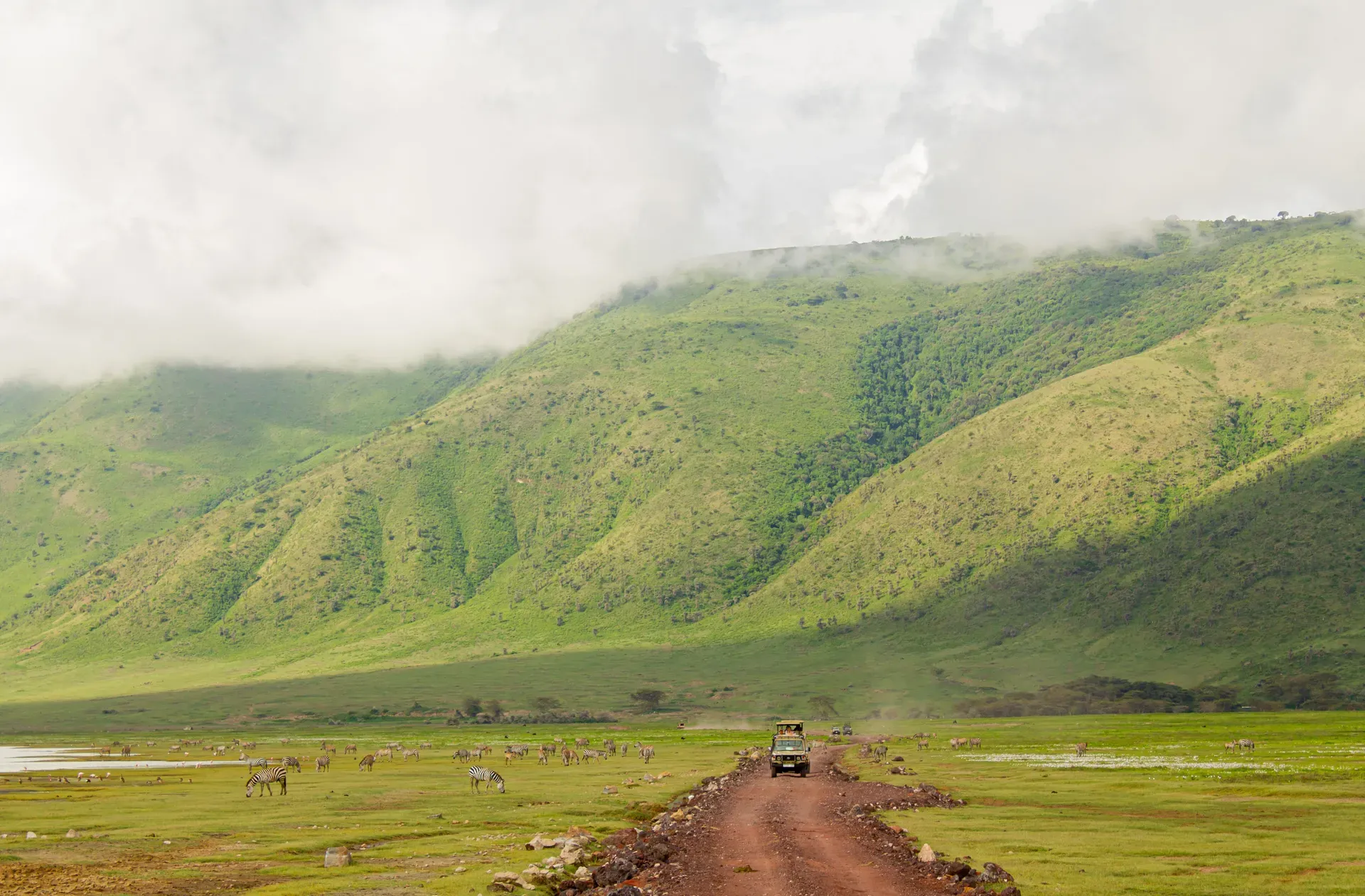
Explore the Ngorongoro Conservation Area on guided tours ranging from a 48-hour crater trip with hotel pickup in Arusha to a 5-day private trek through the Highlands to Lake Natron. Both tours are rated 5 stars by travelers.

5-day private trek from Ngorongoro Highlands to Lake Natron, with an option to climb Ol Doinyo Lengai volcano.
 Free Cancellation
Two-day Ngorongoro trip from Arusha with hotel pickup, full board, wine, and airport transfers.
Read what travelers share about their experience visiting Ngorongoro Crater — from practical tips to personal highlights.
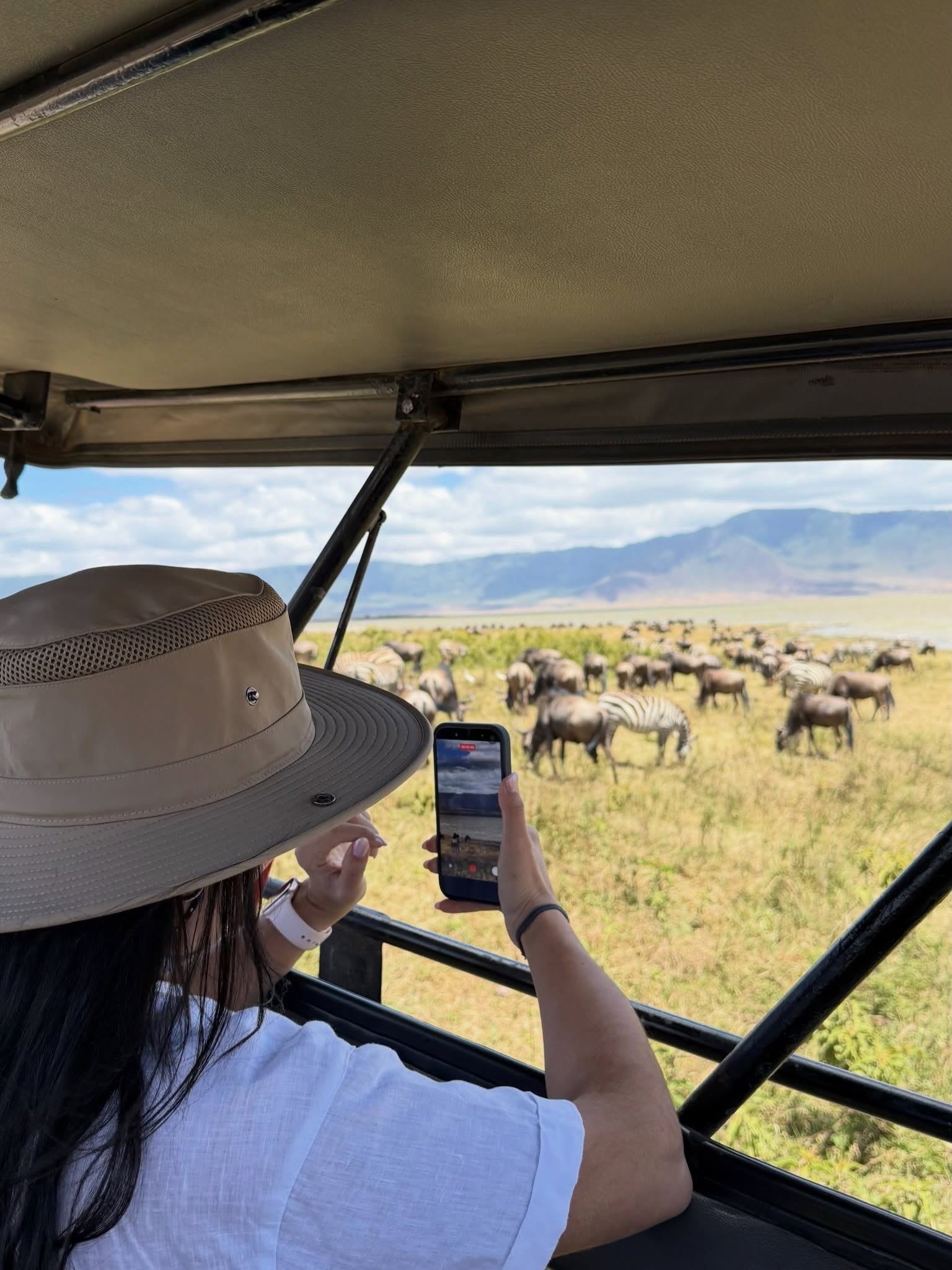
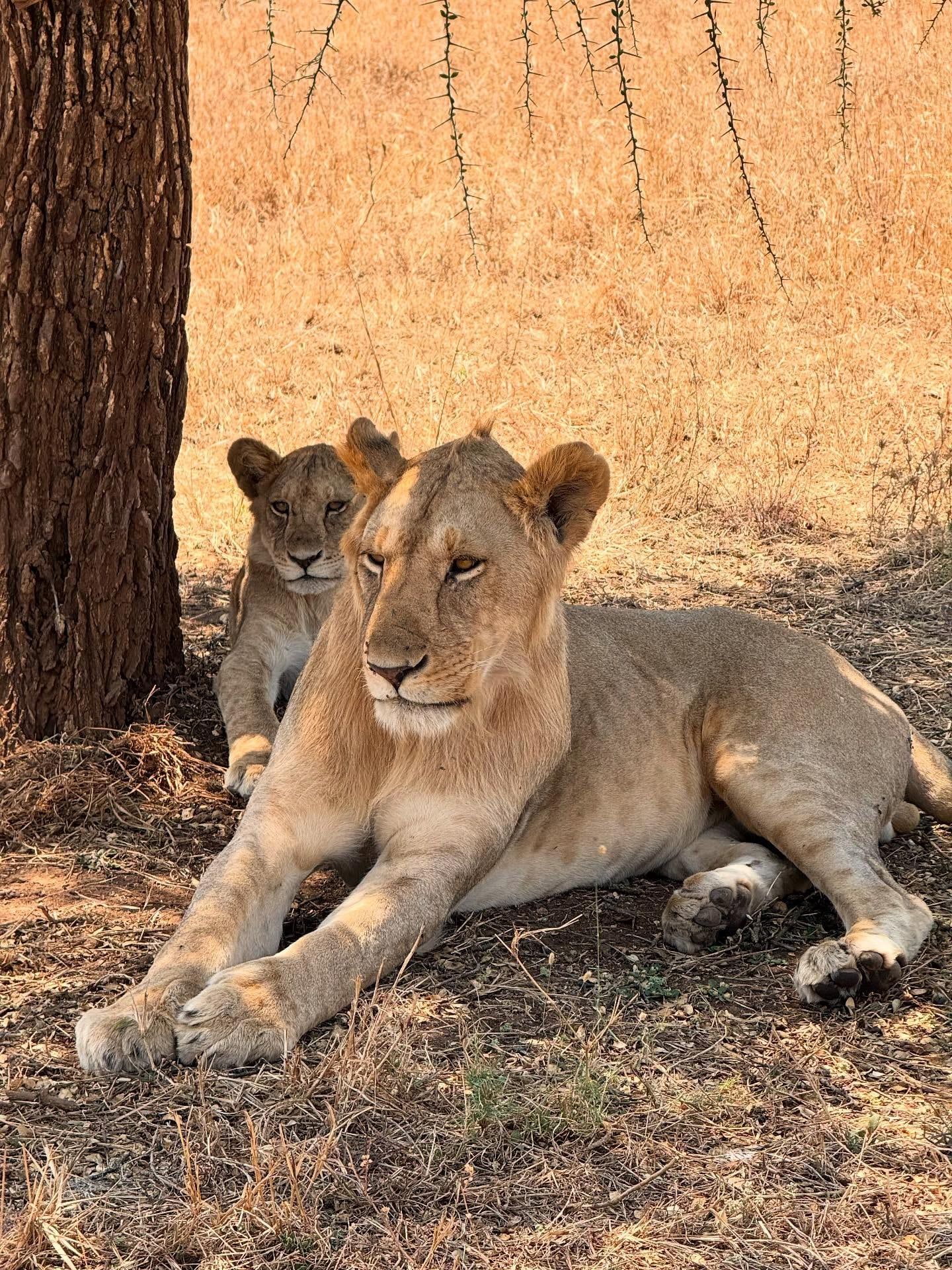
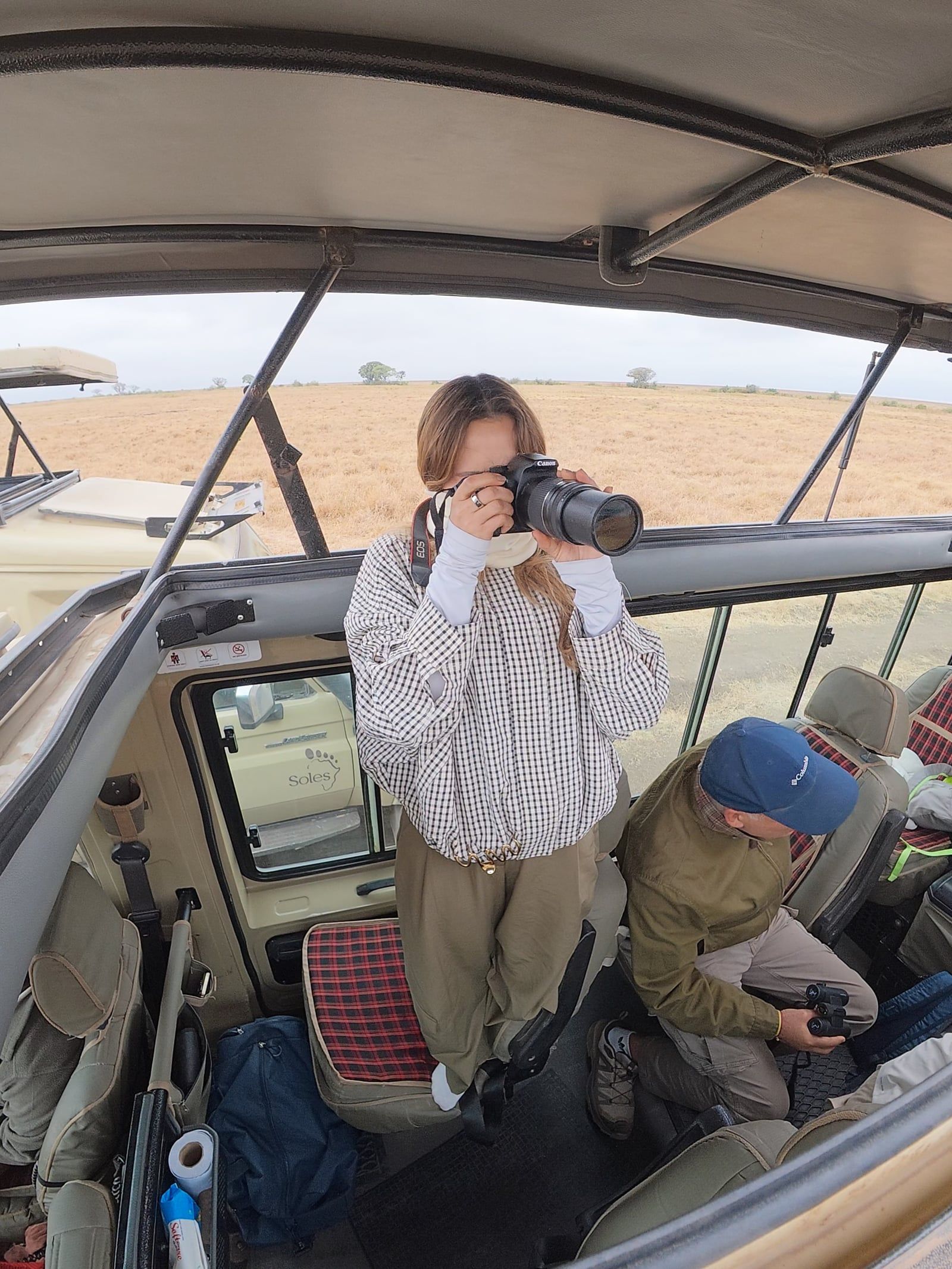
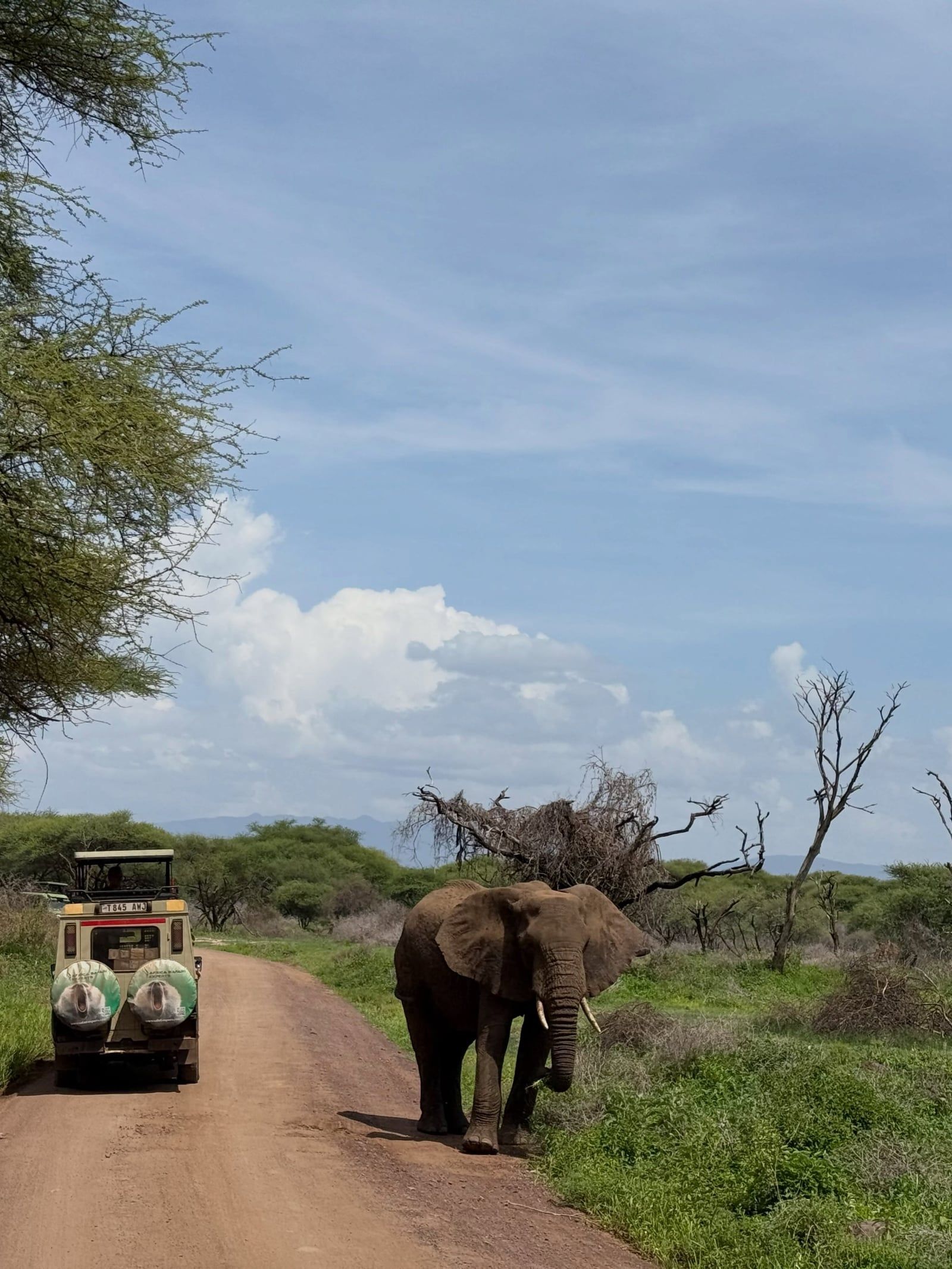
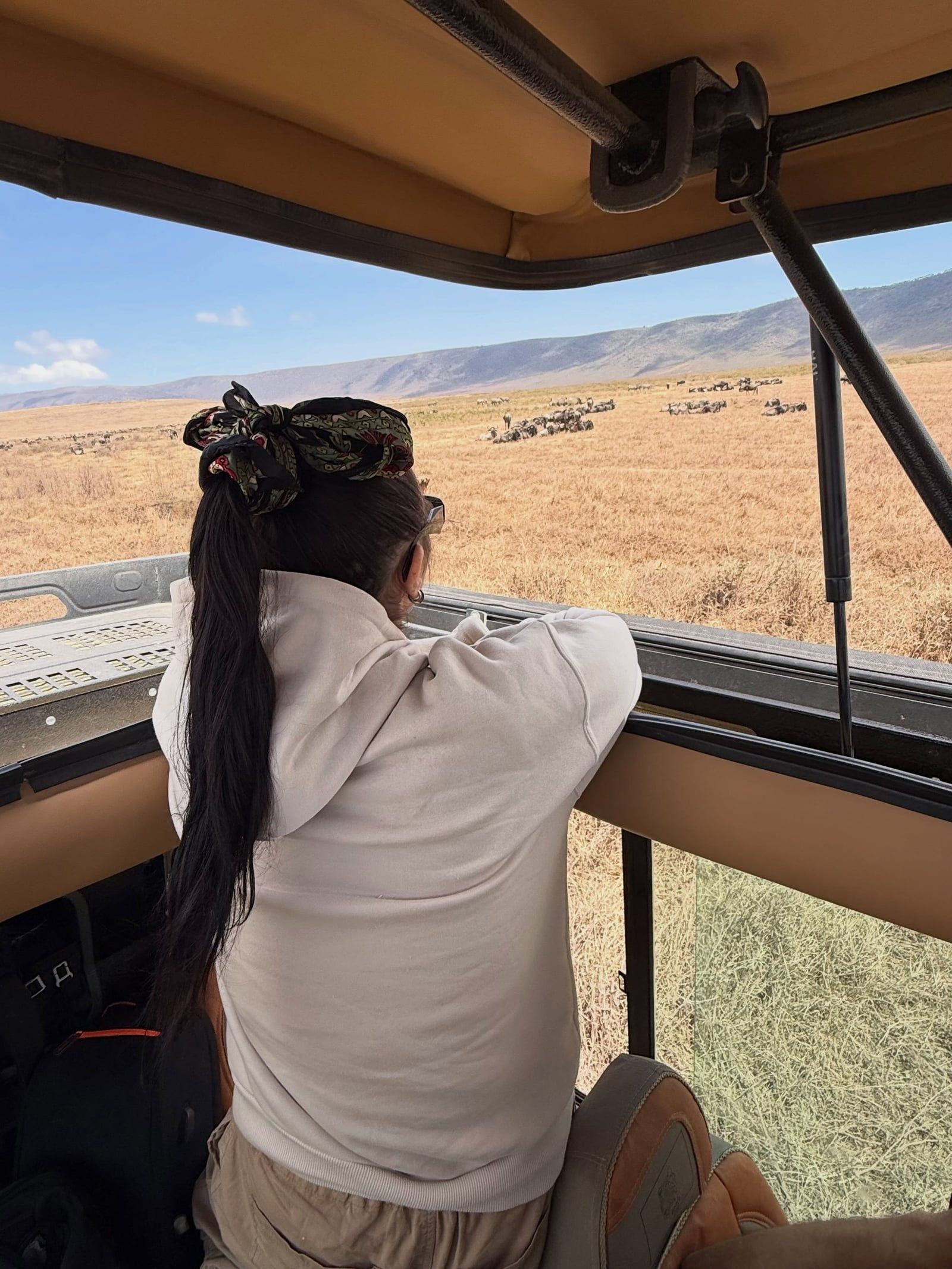
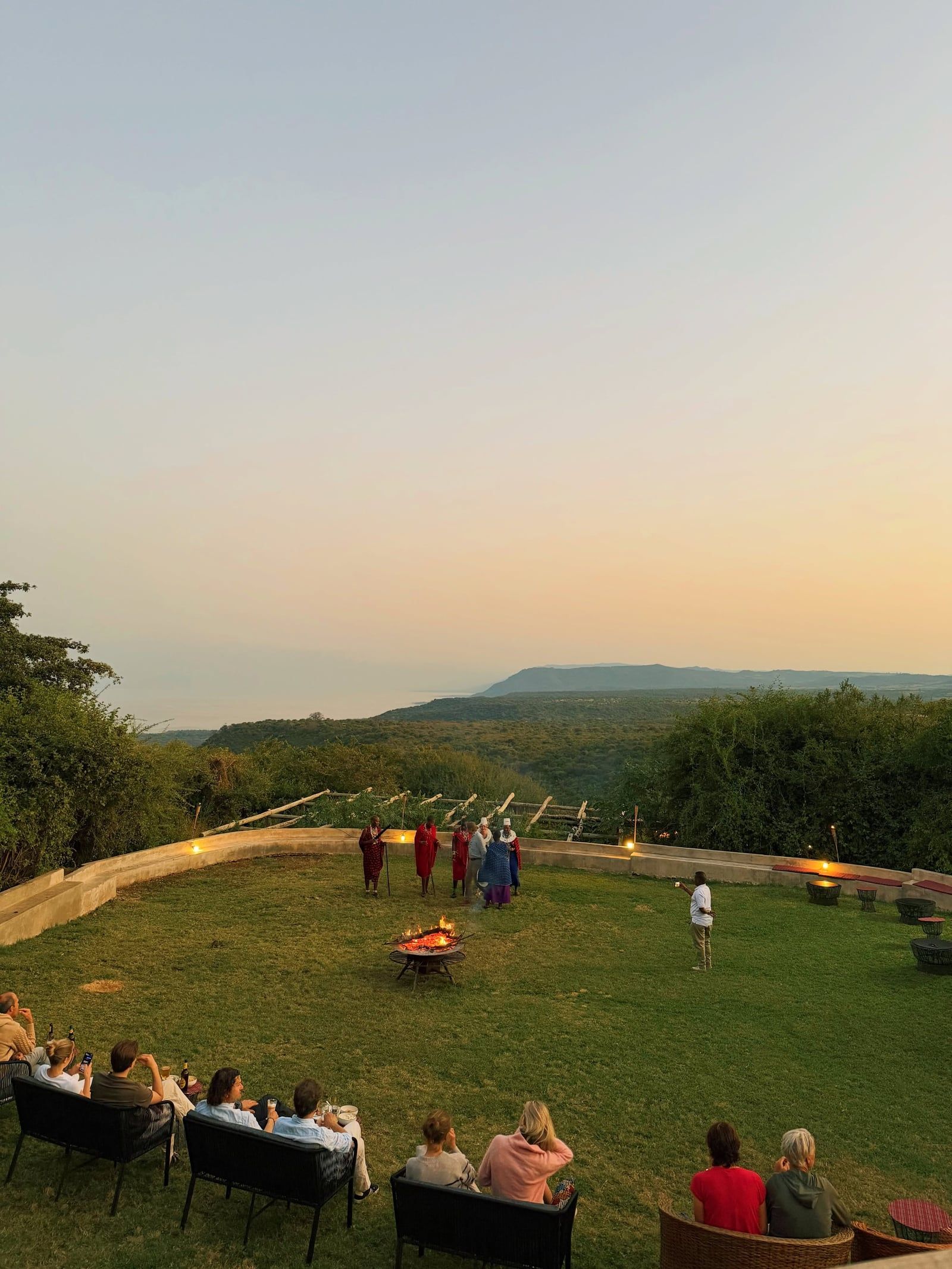
Ngorongoro Crater packs roughly 25,000 large animals into a 260 km² volcanic bowl, so a tour here delivers more sightings per hour than almost anywhere in Africa. Your day starts before dawn, descends 600 m of montane forest on a 4x4-only road, and spends the morning crossing grasslands shared by lions, black rhinos and elephants. Expect a half-day on the floor — that's all one permit allows — with the rim, Oldupai Gorge or Maasai villages filling the rest.
At first light, cloud often fills the entire caldera and then burns off to reveal the whole 260 km² floor in one sweep. Rim lodges sit at about 2,300 m, minutes from the descent gates, so you can be among the first vehicles down at 06:00. Bring a fleece — mornings run 0-5°C.
The descent road drops roughly 600 m through montane forest in about 30 minutes, switching back along the crater wall. Buffaloes and baboons work the lower bends before the trees open suddenly onto grassland. It's the classic 'Garden of Eden' reveal.
The floor holds Africa's densest known lion population, leopards in the Lerai Forest, and one of Tanzania's few viable black-rhino populations on a compact road network. In the dry season, guides routinely find rhino, lion and cheetah within a few hundred metres of each other. Nearly guaranteed, even in half a day.
The designated leg-stretch stop sits beside a hippo pool where huge hippos grunt metres away and elephants come down to drink. It's one of the few places you may leave the vehicle. A bush lunch here needs a US$10-per-person NCAA permit, first come, first served.
En route to the Serengeti, this is where Mary Leakey found the 1.75-million-year-old Zinjanthropus boisei skull in 1959. A guided walk into the gorge plus the museum takes about 90 minutes, with casts of the 3.6-million-year-old Laetoli footprints on display. A licensed guide is mandatory.
Semi-nomadic Maasai herders live and graze cattle throughout the Conservation Area — a rare park where people and wildlife coexist. Village visits near the rim road include dances, homestead tours and craft markets. Always ask before photographing anyone.
Tours here come in two basic shapes: a one- or two-day crater drive from Arusha, or longer circuits linking Manyara, the Serengeti and the Highlands. Fees are steep and rules are strict, so know the costs before you commit.
Nearly all visits are guided — a licensed guide is mandatory for the crater and Oldupai Gorge, and there's no audio option. The standard product is a half-day crater floor drive (NCAA's own schedule states 'Crater tour will be half day', permit valid for one entry), usually packaged as a day trip from Arusha or an overnight rim stay. Longer private itineraries add the Highlands and Lake Natron, where you'll see few other visitors.
Usually not. NCAA entry costs US$70.80 per adult per 24 hours (US$23.60 for children 5-15, under-5s free), and many operators quote prices excluding it — check the exclusions before paying. On the tours listed here, exclusions are lumped under 'Other', so confirm in writing what's covered.
Descending into the crater costs US$295 per vehicle, separate from entry. Split one 4x4 among five travelers and it's US$59 each; a couple alone pays the full amount, which roughly doubles their NCAA bill to about US$437 for a day's entry plus descent. Budget for this before comparing tour prices.
The crater itself doesn't sell out, but rim lodges and special campsites book out months ahead, especially July-September. The 5-day Highlands trek to Lake Natron runs through remote country with limited accommodation, so book it well in advance. Fee increases typically land each 1 July with short notice, so earlier is cheaper.
Because everything happens by vehicle, Ngorongoro is one of Tanzania's more feasible wheelchair-accessible safaris: several operators run adapted 4x4s with ramps and locking systems. There are no accessible trails on the floor — you only leave the vehicle at picnic sites — so book the vehicle and confirm step-free lodge rooms ahead. Seniors manage easily; the main considerations are the step up into a raised 4x4 and cold rim mornings.
They vary sharply between operators. The 48-hour crater tour refunds in full if you cancel at least 24 hours ahead; the 5-day Highlands trek requires 3 full days' notice and pays 0% inside that window. Read the policy before booking multi-day itineraries — remote routes make late changes costly.
Beyond game drives, licensed guides lead walking safaris along the rim and Highlands (US$23.60 per adult, max 8 walkers) — the only way to feel the caldera's scale on foot. Dawn hunts with the Hadzabe hunter-gatherers at Lake Eyasi, about 2 hours on sandy roads southwest, are possible as a side trip, though roads get rough in the November-May rains.
Swipe to see more
| Crater overnight tour (Arusha) | Half-day crater floor drive | 5-day private Highlands trek | Northern circuit safari | |
|---|---|---|---|---|
| Duration | 48 hours | ~6 hours (06:00-early afternoon) | 120 hours | 4-7 days |
| Price from (per adult) | US$307.70 | From ~US$150-250 plus US$295/vehicle descent fee and US$70.80 entry | US$2,250 | Varies by operator and season |
| Best for | First-timers with limited time who want a full morning on the crater floor without a same-day race back to Arusha | Travelers on a Manyara-Ngorongoro-Serengeti circuit who only need the one permitted descent | Fit travelers who want the crater plus empty-country hiking through the Highlands to Lake Natron | Wildlife-first visitors combining the crater with Serengeti big cats and Lake Manyara's tree-climbing lions |
| Includes | All meals, drinking water and wine, airport and hotel pickup anywhere in Arusha, English-speaking driver-guide, rim accommodation; NCAA fees extra | 4x4 with driver-guide; permits valid for one entry only, so make it count | All meals and accommodation, German/English/Spanish guiding; moderate fitness required, not suitable if pregnant or with spinal injuries | Oldupai Gorge stop (~90 min) between Ngorongoro and the Serengeti, plus calving plains near Naabi Hill in late January-February |
Swipe to see more
Gates and barriers open at 06:00 and close at 18:00 daily, year-round. Game drives inside the crater are only permitted between 06:00 and 18:00 — no vehicles on the floor outside those hours.
The Seneto Descent Gate closes at 16:00, earlier than everything else. Seneto is descent-only; Lerai handles ascent only; Lemala (Sopa) goes both ways. Plan your route accordingly, because you can't come back up the road you went down.
Sleep on the rim the night before and you're minutes from the descent gates at 06:00 instead of doing a pre-dawn hour from Karatu.
From Arusha it's 180 km (112 mi), 3.5-4.5 hours by safari 4x4 through Mto wa Mbu and up the Great Rift Valley wall to Loduare Gate. Mto wa Mbu is the last reliable fuel stop before the conservation area — fill up there.
Flyers can take a 45-minute light-aircraft flight (US$150-250 one-way) from Arusha to Lake Manyara Airstrip on Coastal Aviation, Regional Air or Auric Air, then a 1-1.5 hour drive to the rim. Note the 9-13 seat Cessna Caravan baggage limits.
The descent roads into the crater are 4x4-only, and a licensed guide is mandatory. Nearly everyone books a vehicle with driver-guide from Arusha, Moshi or Karatu.
June to October is the prime window: short grass, animals concentrated around permanent water, minimal rain, and the easiest black-rhino and big-cat spotting on the floor.
January-February is the best green-season alternative — wildebeest calving on the short-grass plains near the Serengeti boundary, migratory birds, and fewer vehicles than the July-September crush. Because the floor holds permanent water, viewing is genuinely rewarding year-round.
Avoid mid-March to mid-May if you can: the long rains leave crater and highland tracks muddy and occasionally impassable, and mist can shroud the rim all morning. The trade-off is green-season rates 30-50% below peak and far fewer vehicles, which suits budget travelers with flexible plans.
Rim nights run 0-5°C year-round. Pack the fleece either way.
The safari is entirely vehicle-based, which makes Ngorongoro one of Tanzania's more feasible wheelchair-accessible destinations. Several operators run adapted 4x4s with ramps, hydraulic lifts and wheelchair locking systems — book one in advance and confirm step-free lodge rooms.
Inside the crater there are no paved or accessible trails; you may only leave the vehicle at designated picnic sites. For seniors, game drives need almost no walking and lodge-to-vehicle transfers are typically 10-30 m with staff help.
Designated picnic sites are the only places to stretch your legs on the floor. Ngoitokitok Spring, beside a hippo pool, is the classic stop; elephants come down to drink nearby. Hot bush lunches require a US$10-per-person NCAA permit, issued first come, first served at the Conservator's discretion, and your lodge must pre-cook the food.
Accommodation splits between rim lodges at ~2,300 m (minutes from the gates, pricier, cold nights, often no heating beyond a fireplace) and the farming town of Karatu, about an hour away, with a wide range of cheaper lodges. Camping runs US$35.40 per adult per night on public sites, US$70.80 on special sites — the special ones book out months ahead.
You must stay inside the vehicle on the crater floor except at designated picnic sites — never within 200 m of wildlife, and within 25 m of your car otherwise. Buffalo near the Lerai Forest are notably temperamental, and NCAA states all visitors enter entirely at their own risk.
Speed limit is 25 km/h throughout the NCA, with fines for overspeeding. Off-road driving is banned, no more than five vehicles may gather around one animal or kill, and driving is only allowed 06:00-18:00.
Entry permits must be prepaid electronically or via your operator — you'll show the receipt or serial number at the gate. Fees can change each 1 July with short notice.
Non-resident entry is US$70.80 per adult per 24 hours, plus a US$295-per-vehicle crater descent fee. A couple sharing one vehicle pays roughly US$437 in NCAA fees for one descent plus a day's entry; split the vehicle among five and the descent fee drops to US$59 each. Tour prices often exclude these fees, so check the exclusions before booking.
Yes — it's 180 km and 3.5-4.5 hours each way, so day tours leave Arusha around 05:00-06:00. Since permits allow one entry for a half-day tour, most day-trippers descend by 08:00 and exit by early afternoon. The 48-hour tours that overnight on the rim make for a far more relaxed visit, and some include airport pickup if you're flying in.
Frequently not — many operators quote park-fee-exclusive prices, and the tours on this page list exclusions under 'Other', so confirm in writing. You'll need US$70.80/adult entry, US$295/vehicle descent, and US$23.60/adult if you add a walking safari. Permits must be prepaid electronically; keep the receipt or serial number for the gate.
Both are mandatory. A licensed guide is required for the crater and Oldupai Gorge, and the descent roads are 4x4-only — two-wheel-drive vehicles can't manage them, and tracks become impassable in the long rains. Self-drive is technically possible with your own vehicle plus a guide, but nearly everyone charters a 4x4 with driver-guide from Arusha, Moshi or Karatu.
About half a day. NCAA's official schedule states 'Crater tour will be half day' and permits are valid for one entry, so a typical descent runs from 06:00 to early afternoon. That's enough to cover the floor's road network, the Lerai Forest, Lake Makat and a picnic stop at Ngoitokitok Springs.
For a single focused game drive, yes — all of the Big Five plus about 25,000 large animals in a 260 km² bowl means sightings are near-guaranteed in half a day, while the Serengeti rewards multi-day visits. Entry fees are similar, but Ngorongoro adds the US$295-per-vehicle descent fee. Many travelers do both: crater first, then the Serengeti via Oldupai Gorge.
Only at designated picnic sites such as Ngoitokitok Springs; everywhere else you must stay inside. Walking safaris (US$23.60/adult, max 8 per guide) are licensed for the rim and Highlands outside the crater only. It's the single most enforced rule on the floor.
Dress for two climates in one day: rim mornings run 0-5°C with mist at 2,200-2,300 m, while the floor 600 m below warms up fast. A warm fleece and windbreaker are the most forgotten items on northern Tanzania safaris. Add long sleeves at dusk for mosquitoes and tsetse (avoid dark blue and black, which attract tsetse), and cover shoulders and knees for Maasai village visits. Camouflage clothing is illegal for civilians in Tanzania.
Yes, malaria is present in the area even at altitude, so take prophylaxis and use 20-35% DEET repellent with long sleeves at dusk. Consult a pediatrician before bringing young children. Tsetse flies also bite in the woodlands on the drive in.
It varies by tour. The 48-hour crater tour gives a full refund if you cancel at least 24 hours before departure; the 5-day Highlands trek needs 3 full days' notice and pays nothing inside that window. Since rim lodges and special campsites book out months ahead for July-September, cancel early if your plans shift.
Browse verified tours with free cancellation and instant confirmation.
Find Tours


This 5-day private tour leaves the crater crowds behind and treks through the Ngorongoro Highlands to Lake Natron, a corner of northern Tanzania that gets few visitors despite sitting next to the Serengeti and Ngorongoro Crater. Expect long stretches of the area to yourselves. The route passes through relatively untouched Maasai villages around Lake Natron, and there's an option to climb Ol Doinyo Lengai, the world's only active carbonatite volcano. Guides speak English, German, and Spanish. Accommodation, breakfast, lunch, and dinner are all included; anything beyond that is at your own cost. Cancel at least 3 full days before departure for a full refund — inside that window, you get nothing back.
If you cancel at least 3 full day(s) before the scheduled departure time, you will receive a full refund.<br>If you cancel within 3 day(s) of the scheduled departure, you will receive a 0% refund.
German, English, Spanish


This is a 48-hour trip, so you'll overnight on the rim instead of racing back to Arusha the same day. Pickup is from any hotel in Arusha, and airport pickup and drop-off are included too — unusual for a crater day tour and useful if you're flying in. The driver-guide speaks English, with Spanish and French also offered. Meals are covered: breakfast, lunch, and dinner, plus drinking water and wine at dinner, a bath towel, and other dietary requirements if you ask ahead. A free extra day tour is available on request. The source listing doesn't specify the vehicle type, the exact overnight stop, or what's excluded (the exclusions are listed only as "Other"), so confirm those details with the operator before booking. Cancellation is standard: full refund up to 24 hours before departure.
For a full refund, cancel at least 24 hours before the scheduled departure time.
English